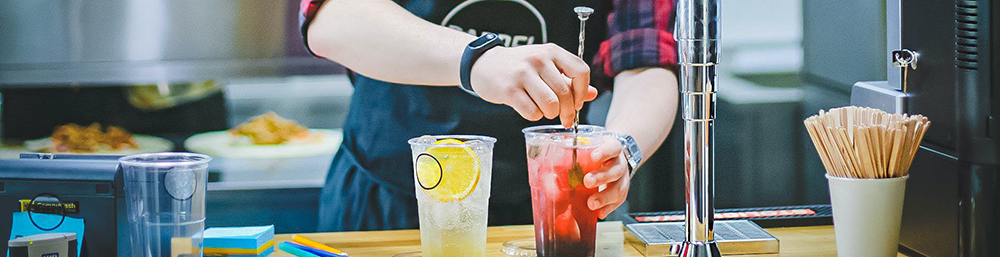
How Do You Choose the Right Paper Cup Capacity for Coffee, Tea and Iced Drinks?
Oct 26, 2026Choosing the right paper cup capacity is an important decision for coffee shops, tea shops, takeaway beverage brands, and foodservice businesses. The right size helps control beverage portions, reduce packaging waste, improve the customer experience, and keep serving costs under control.
For most beverage businesses, 8 oz and 12 oz paper cups are practical starting points for hot coffee and tea, while 16 oz and 22 oz cups are popular options for iced coffee, milk tea, and other cold beverages. Larger sizes may be necessary for drinks with generous ice portions, toppings, or extra-large servings.
As a paper cup manufacturer, Elements Cup offers customizable paper cups for different beverage applications, including hot drink cups, cold drink cups, and insulated cup designs. The best choice depends on your menu, serving size, drink temperature, and packaging requirements.
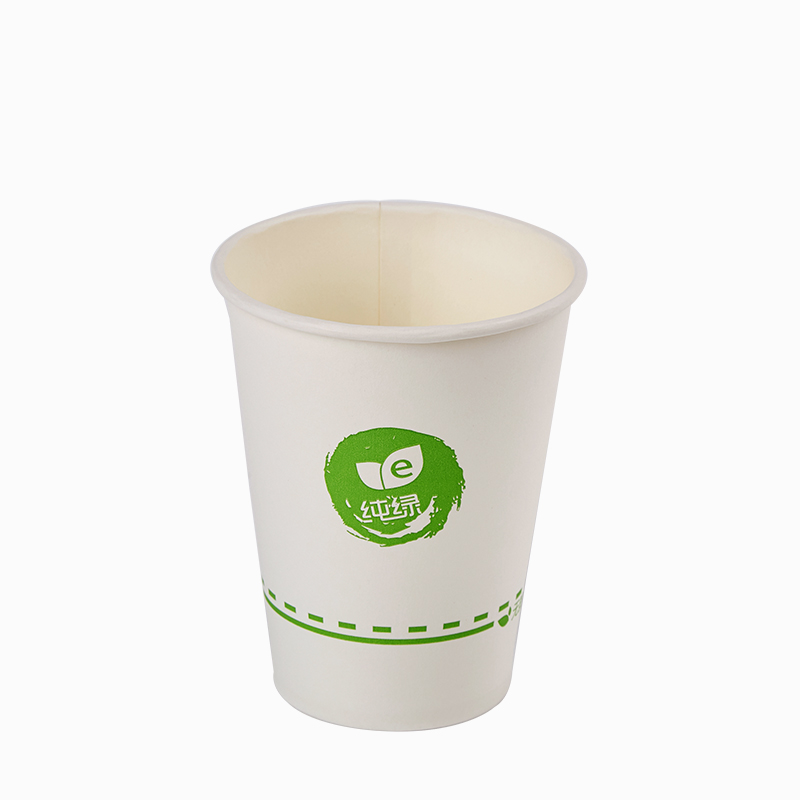
The best paper cup capacity is the size that accommodates the actual beverage portion without leaving excessive empty space or making the cup difficult to handle. Start with the amount of liquid you serve, then account for ice, milk foam, toppings, and the space needed to prevent spills.
For example, a 12 oz latte and a 12 oz iced coffee do not necessarily require the same filling method. A hot latte may contain espresso and steamed milk, while an iced coffee needs additional space for ice. A milk tea with tapioca pearls may also need a larger cup to accommodate both the drink and its toppings.
Before placing a bulk order, consider these factors:
For businesses serving hot beverages, custom paper cups are available in different constructions and specifications to accommodate different service needs.
Coffee cup capacity should match the type of coffee and the serving style. Espresso, cappuccino, latte, and regular brewed coffee have different volume requirements, so coffee shops often benefit from offering several cup sizes rather than using one size for every drink.
| Cup Capacity | Typical Coffee Applications | Best For |
|---|---|---|
| 4 oz | Small espresso servings and tasting portions | Coffee samples and compact servings |
| 8 oz | Small cappuccinos, flat whites, and regular coffee | Small hot drinks |
| 12 oz | Medium lattes, cappuccinos, and brewed coffee | Everyday takeaway coffee |
| 16 oz | Large lattes and larger coffee servings | Customers who prefer larger drinks |
| 20 oz | Extra-large specialty coffee drinks | Menus offering larger portions |
These are general serving recommendations rather than fixed industry rules. The appropriate size depends on your recipes, serving standards, and the cup's usable filling volume.
For takeaway coffee shops, 8 oz, 12 oz, and 16 oz cups provide a useful starting range. Businesses that sell more specialty drinks may also want a smaller size for concentrated beverages and a larger option for customers who prefer extra volume.
Hot coffee also requires attention to insulation. Double wall paper cups feature an additional outer paper layer that helps reduce heat transfer to the customer's hand. This design is particularly useful for hot lattes, brewed coffee, and other takeaway drinks.
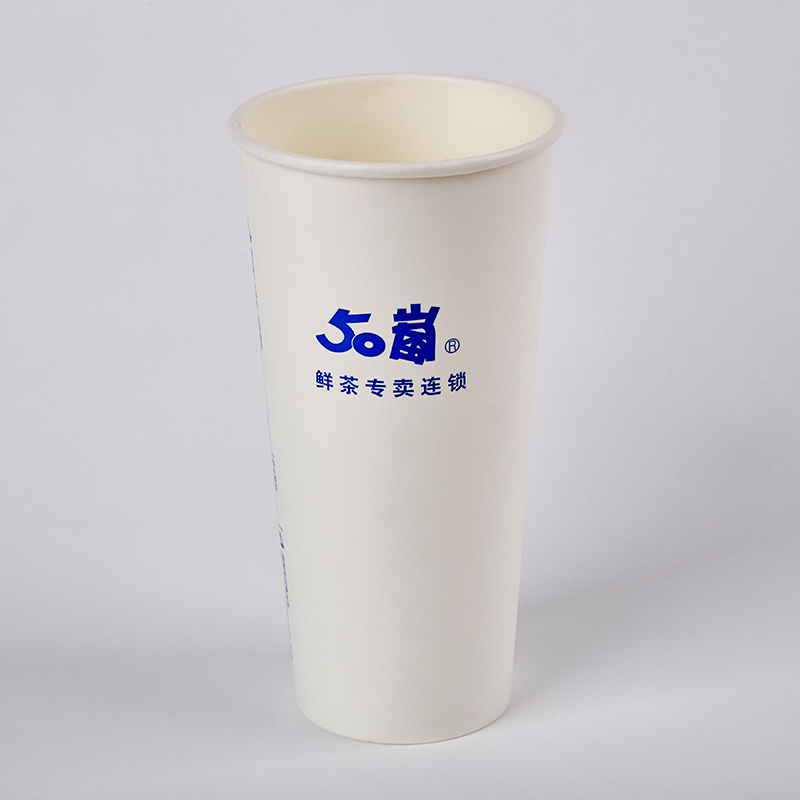
Tea cup capacity depends on whether you serve traditional hot tea, milk tea, fruit tea, or specialty tea beverages. A simple cup of hot tea may require less capacity than a milk tea containing ice, pearls, jelly, or fruit toppings.
Milk tea shops should pay particular attention to the space occupied by toppings. Tapioca pearls, fruit pieces, and jelly reduce the volume available for liquid, so selecting a cup based only on the drink's liquid volume may result in an undersized package.
For businesses that offer both hot tea and iced tea, separate cup specifications may be more practical than using one cup type for every beverage. The cup material, lining, lid, and intended temperature range should all be checked before ordering.
Elements Cup provides aqueous barrier coating paper cups in multiple sizes, including 8 oz, 9 oz, 12 oz, and 16 oz options, with additional specifications available. Buyers should confirm the exact product configuration and suitability for their intended drinks.
Iced drinks generally need more cup capacity than the liquid volume alone suggests because ice occupies part of the cup. The right size also depends on whether the drink contains milk, syrup, fruit, foam, or other ingredients.
For iced coffee, iced tea, lemonade, fruit drinks, and other cold beverages, the following sizes are useful starting points:
| Cup Capacity | Approximate Volume | Potential Applications |
|---|---|---|
| 9 oz | 266 ml | Small cold drinks |
| 12 oz | 355 ml | Regular iced coffee and iced tea |
| 16 oz | 473 ml | Large iced coffee and milk tea |
| 22 oz | 651 ml | Large iced beverages and specialty drinks |
| 32 oz | 946 ml | Extra-large cold drinks |
Volume conversions are approximate. Actual cup dimensions, brim capacity, and usable filling volume can vary by product design.
When selecting cold drink paper cups, check that the cup is designed for the intended beverage and that its barrier coating provides appropriate resistance to moisture. A cup that performs well with a short-serving cold drink may not be the right choice for a beverage that remains in the container for an extended period.
It is also important to test the cup with the actual ice quantity used in your shop. A 16 oz cup may be sufficient for one iced coffee recipe but too small for another drink with a larger ice portion and additional toppings.
Capacity is only one part of the buying decision. The cup's construction affects insulation, handling, durability, and the overall drinking experience. A suitable size paired with the wrong cup structure can still lead to customer complaints or unnecessary packaging costs.
Single wall paper cups: These have a straightforward construction and can be suitable for many everyday beverage applications. For hot drinks, customers may need a separate sleeve depending on the temperature, material specification, and handling requirements.
Double wall paper cups: The additional outer layer helps improve insulation and makes the cup more comfortable to hold when serving hot coffee or tea.
Ripple wall paper cups: Their textured outer layer provides additional insulation and grip. They are often considered for takeaway coffee shops that want a more distinctive cup appearance.
For businesses comparing insulated options, ripple wall paper cups can be worth considering for hot drinks that customers carry while commuting or travelling.
Regardless of the construction, always confirm the cup's actual dimensions, material specifications, and intended temperature range. Do not assume that cups with the same nominal capacity will have identical rim diameters or fit the same lid.
A correctly sized cup still needs a compatible lid to provide a practical takeaway packaging solution. Cup capacity alone does not determine lid compatibility because different products can have different rim diameters, rim profiles, and lid-fitting requirements.
Before purchasing cups and lids in bulk, check the following details:
For iced coffee, milk tea, and cold beverages, a lid with a suitable straw opening may be necessary. Hot coffee may require a drinking lid designed for takeaway use. Testing the complete cup-and-lid combination is more reliable than ordering each component separately based on nominal capacity.
Wholesale buyers should choose cup sizes according to their actual menu and sales patterns instead of purchasing every available size. A focused selection can simplify inventory management, reduce storage requirements, and make replenishment easier.
A coffee shop could begin with 8 oz, 12 oz, and 16 oz hot cups, then add a larger size if customer demand supports it. A bubble tea shop may prioritize 16 oz and 22 oz cold cups, with 12 oz cups for smaller servings and 32 oz cups for extra-large drinks.
For a business selling both coffee and tea, a practical purchasing process includes these steps:
Elements Cup offers customizable beverage packaging for businesses that need different cup sizes, printed designs, materials, and lining options. Before placing a large order, buyers should request current specifications and confirm which options are available for the required capacity.
What is the best paper cup size for takeaway coffee?
For many takeaway coffee menus, 8 oz, 12 oz, and 16 oz cups are useful starting sizes. An 8 oz cup suits smaller servings, while 12 oz and 16 oz cups accommodate many regular and larger coffee drinks. The final choice should match your recipes and serving standards.
Is a 12 oz paper cup suitable for both coffee and tea?
Yes. A 12 oz cup can be suitable for many hot coffee and tea servings. However, the cup structure, lining, and temperature suitability should be checked for the intended beverage.
What size paper cup is best for iced coffee?
Both 12 oz and 16 oz cups are common starting options for iced coffee. Larger sizes, such as 22 oz, may be more suitable when the recipe includes substantial ice or customers expect a larger serving.
Which paper cup size is suitable for bubble tea?
Many bubble tea menus can use 16 oz or 22 oz cups, depending on the drink recipe and portion size. A larger cup may be needed for drinks with more ice, tapioca pearls, or other toppings.
Does a larger paper cup always mean a better customer experience?
No. The best cup size is the one that matches the intended portion and presentation. Oversized cups can increase packaging costs, while undersized cups can make filling and sealing more difficult.
Can I order custom paper cups in different capacities?
Yes. Elements Cup lists multiple hot and cold paper cup specifications and offers customization options. Availability depends on the product, design, and order requirements, so confirm the required capacity, printing, lining, and minimum order quantity with the supplier.
The right paper cup capacity depends on what you serve, how you serve it, and what your customers expect. Smaller cups work well for compact hot drinks, medium sizes support many everyday coffee and tea menus, and larger cups accommodate iced beverages with more ice or toppings.
For coffee shops, tea brands, restaurants, and beverage distributors, the most effective approach is to test cup samples against real recipes, confirm lid compatibility, and select a manageable range of sizes before ordering in bulk.
Elements Cup provides paper cup solutions for hot and cold beverages, with options for custom printing and different product constructions. Contact the team to discuss your beverage menu, target capacities, and packaging requirements before finalizing your order.


No. 15-5 Rongyuan Road Xiamen
© 2026 Xiamen Elements Packaging Co., Ltd. All Rights Reserved