What Are You Looking For?
内页banner
Blog
  • Paper Bowls vs Plastic: Why Eco-Friendly Options Win Paper Bowls vs Plastic: Why Eco-Friendly Options Win Aug 28, 2026
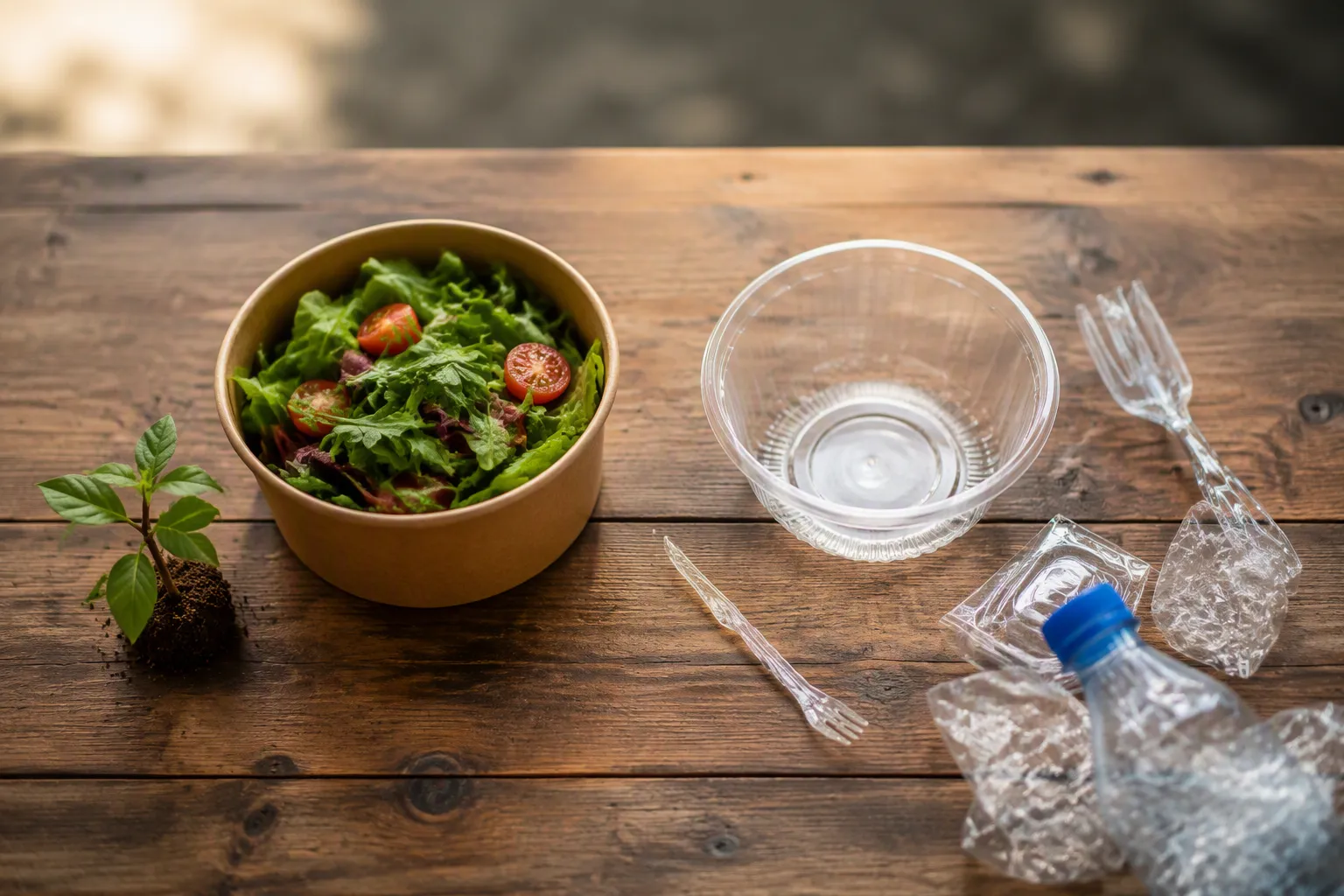
    Every year, billions of plastic bowls end up in landfills and oceans. You might not realize that producing plastic bowls generates roughly double the carbon emissions of paper alternatives—9.7 to 11.3 kg CO2 versus 4 to 6 kg per kilogram of material. The choice matters more than you think. Eco-friendly disposable paper bowls offer a superior solution. You'll discover how they compare across four key dimensions: environmental impact, performance, end-of-life options, and practical cost. Compostable paper bowls break down naturally instead of persisting for centuries. By the end, you'll know exactly how to select sustainable tableware that protects the planet without sacrificing quality. Your next purchase can make a real difference.   Key Takeaways Plastic bowls harm the planet. They come from fossil fuels and take centuries to break down. Paper bowls use renewable materials. They break down in months, not years. Paper bowls handle hot food well. They resist heat and leaks just like plastic. Choose PFAS-free and BPA-free bowls. These are safer for your health. Buy in bulk to save money. Eco-friendly bowls can cost less over time.   Environmental Impact of Disposable Paper Bowls The Problem with Plastic Bowls Plastic bowls trace their origins to a deeply flawed starting point. Nearly all plastics—99 percent—come from fossil fuels like oil, gas, and coal. You might not realize that extracting these resources releases greenhouse gases before manufacturing even begins. The refining process demands intense heat and chemical processing, consuming two to three times more energy than paper production. This energy hunger translates directly into carbon emissions. The pollution crisis extends far beyond production. Plastic bowls take 400 to 1,000 years to degrade in landfills. During that time, they fragment into microplastics that contaminate soil and water. These tiny particles enter the food chain, affecting wildlife and potentially human health. Landfills overflow with single-use plastics that never truly disappear—they simply break into smaller, more dangerous pieces. Global regulations now reflect this urgency. The European Union's SUP Directive banned expanded polystyrene in 2021. Canada followed with a federal ban on PS and PET foodservice items in 2023. Several U.S. states, including California and New York, enforce plastic taxes and bans. Singapore will tax plastic packaging starting in 2025. Australia's state-based bans now cover foam and plastic containers. These policies signal a clear direction: plastic's dominance is ending. "With fossil-fuel-based plastic under global scrutiny, brands that proactively switch to verifiably compostable packaging—like kraft bowls—are not just eco-friendly, they're future-proofing." — Dr. Lara Kim, Environmental Packaging Policy Consultant, Berlin   Renewable Materials for Paper Bowls Eco-friendly disposable paper bowls offer a fundamentally different story. Manufacturers craft them from renewable sources like sugarcane bagasse, bamboo, palm leaf, and recycled paper. Sugarcane bagasse, the fibrous residue after juice extraction, would otherwise become agricultural waste. Bamboo grows rapidly without pesticides. Palm leaves fall naturally from trees. These materials absorb CO₂ during their growth cycle, offsetting emissions during decomposition. The lifecycle comparison reveals stark differences. Kraft paper bowls source from FSC-certified trees or recycled content, absorbing carbon as trees grow. Manufacturing requires lower temperatures and less energy. Transport becomes more efficient because paper bowls nest and weigh less. At end-of-life, compostable paper bowls break down within 60 to 90 days in proper facilities. Plastic bowls persist for centuries. Carbon footprint data confirms the advantage. A bagasse clamshell box weighing 20 grams produces 45 kg CO2e per 1,000 units, saving 60 kg CO2e compared to plastic. A 21-gram burger box generates 48 kg CO2e per 1,000 units, saving 63 kg CO2e. Each kilogram of bagasse replacing polypropylene saves approximately 3.0 kg CO2e. While these figures cover similar bagasse products, the identical material and production process make them representative for bowls. You should look for specific certifications when choosing products. BPI certification verifies genuine compostability. Select unbleached options without PFAS coatings. These chemicals, used for grease resistance, persist in the environment and pose health risks. Unbleached kraft paper avoids chlorine bleaching byproducts entirely. The full lifecycle tells a compelling story. Plastic generates up to 2.5 times more CO₂ than kraft paper across production, transport, and disposal. Custom disposable paper bowls from renewable sources reduce your environmental footprint while meeting the same functional needs. The choice between materials becomes clear when you examine the complete picture.   Performance of Disposable Paper Bowls vs. Plastic Heat Resistance and Leak-Proofing You need bowls that handle real meals—hot soups, oily curries, saucy noodles. Plastic bowls warp under high heat and can leach chemicals into your food. Eco-friendly alternatives perform better than you might expect. Bagasse bowls withstand hot foods up to 220°F (approximately 104°C) without warping or leaking. That temperature covers boiling water and most freshly cooked dishes. Bamboo bowls perform even better in side-by-side testing. At 90°C, bamboo bowls resist warping for 60 minutes with a leakage rate of just 1 percent. Bagasse bowls hold their shape for 45 minutes with a leakage rate under 2 percent. Users rate bamboo bowls 8.9 out of 10 for comfort, while bagasse scores 8.4. These materials deliver strength that plastic cannot match. Microwave and freezer performance varies by bowl type. The table below summarizes what you should expect: Bowl Type Microwave Performance Key Limitation Single-Wall PE-Lined Limited use Liner softening or edge warping Double-Wall Insulated Good when certified Steam buildup if tightly covered Kraft Paper Good when microwave-rated Coating and ink variation PLA-Coated Use with caution PLA may soften at higher heat Bagasse Sugarcane Fiber Generally strong when certified Formula and PFAS status vary You should always check the certification label before microwaving any bowl. Look for explicit microwave-safe claims from the manufacturer. For freezer storage, most compostable paper bowls handle cold temperatures without cracking. Plastic bowls become brittle in freezing conditions, while fiber-based materials maintain their integrity.   Choosing Safe Materials: PFAS-Free and BPA-Free The materials touching your food matter for your health. Many disposable bowls contain PFAS—per- and polyfluoroalkyl substances—added for grease resistance. These chemicals persist in your body and the environment. A consortium of scientists published a new scientific statement in 2020 highlighting serious health concerns linked to PFAS exposure from food packaging: Cancer Hormone disruption Liver and kidney toxicity Harm to the immune system, including decreased response to vaccines Reproductive and developmental toxicity Recent decades of research link PFAS exposure to immune system suppression, lower birth weight, and increased risk for some cancers. These compounds appear in burger wrappers and salad bowls alike. You cannot see them or taste them, but they accumulate in your body over time. BPA presents another concern. This chemical appears in some plastic linings and can mimic estrogen in your body. Even small amounts may disrupt your endocrine system. You should avoid bowls containing BPA entirely. Your safest choice is unbleached, PFAS-free, and BPA-free options. Unbleached kraft paper avoids chlorine bleaching byproducts. PFAS-free coatings use plant-based alternatives like PLA or natural wax. These materials provide grease resistance without toxic persistence. Reputable manufacturers offer bowls that meet these strict safety standards. Some products carry explicit PFAS-free and BPA-free certifications, so you do not need to guess about what touches your food. When you select disposable paper bowls, read the fine print. Look for third-party certifications that verify safety claims. Avoid vague terms like "eco-friendly" without supporting documentation. Your health depends on these details. The performance of these bowls matches or exceeds plastic in everyday use, without the chemical risks. You get strength, heat resistance, and peace of mind in one package.   Compostability and Recyclability of Paper Bowls Compostability Standards and Certifications You see the word "biodegradable" on many products. It does not mean what you think. Any material can eventually break down. "Compostable" carries a specific, verified meaning. A compostable product must decompose into non-toxic components. This happens within a specific timeframe. The process requires controlled conditions. BPI certification sets this standard in the United States. BPI certification confirms that a product meets these requirements. You should look for the BPI logo on disposable paper bowls. Only then can you assume they are compostable. Most compostable paper bowls require industrial composting facilities. These facilities maintain high temperatures and controlled humidity. The conditions accelerate decomposition. Your backyard compost bin rarely reaches these conditions. Bagasse or bamboo fiber bowls break down within 60 to 90 days in an industrial facility. Without access to such a facility, the bowl ends up in a landfill. It cannot decompose there. You should check the label for "industrially compostable" or "home compostable". This tells you what your local setup can handle. Plastic-coated bowls cannot enter compost streams. Even PLA linings cause problems.   Recycling Challenges and Best Practices Recycling paper bowls presents more problems than you expect. Most bowls touch food. Food residue contaminates the recycling stream. A single greasy bowl can ruin an entire batch of recyclable paper. Many bowls also contain plastic linings. Recycling facilities cannot separate PE or PLA easily. These challenges mean most paper bowls never get recycled. Composting offers a much better solution. You can follow a few best practices. First, check the label for certifications like BPI Certified Compostable. Second, scrape all leftover food from the bowl. Third, give the bowl a quick rinse. This removes sauces or oils that slow down composting. Fourth, verify that your local composting facility accepts compostable paper bowls. Not all facilities do. Fifth, send the bowl to an industrial compost facility. Look for the "home compostable" label if you plan to use your backyard bin. Finally, place plastic-coated bowls in the trash. This avoids contaminating compost streams. These steps ensure your efforts actually help the environment.   Practical Considerations: Cost and Availability Cost Comparison: Paper vs. Plastic The assumption that eco-friendly options always cost more deserves closer examination. When you compare bulk pricing, the gap narrows significantly. Standard plastic bowls run $0.05 to $0.10 per unit. Eco-certified paper bowls, whether PLA-coated or bagasse-based, cost $0.20 to $0.50 per unit. That difference ranges from $0.10 to $0.45 per bowl, with a midpoint around $0.275. That per-unit gap tells only part of the story. Quality paper bowls deliver long-term savings through improved durability and reduced waste. Some businesses report reduced waste management costs after switching to biodegradable options. Switching to biodegradable disposable products can reduce waste. Biodegradable paper bowls decompose within 60 to 90 days, while plastic persists for centuries. You avoid the hidden costs of landfill fees and environmental cleanup. Bulk purchasing further offsets the initial price difference. Many suppliers offer competitive pricing for volume orders. When you factor in disposal costs, regulatory compliance, and customer loyalty, the total cost of ownership favors paper.   Where to Find Quality Eco-Friendly Options The market for compostable tableware has expanded dramatically. Industry projections show the Pulp and Paper substrate segment capturing 66.7% of the biodegradable tableware market by 2026. This growth stems from regional legislation targeting polystyrene containers. Distributors now stock certified compostable alternatives to meet demand. Trend Data: 68% of quick-serve restaurants plan to phase out polystyrene and plastic disposables by 2025, adopting fiber-based bowls. Several U.S. states and EU countries now ban foam foodware, accelerating kraft and bagasse adoption. You can find quality disposable paper bowls through multiple channels. Major retailers like Georgia-Pacific have expanded their compostable product lines. Online retailers and eco-conscious stores now stock these products. When evaluating suppliers, verify their claims carefully by requesting independent laboratory reports and certifications. Follow these steps to confirm product quality: PFAS-free and compostable claims require independent verification. A compostability certificate does not prove PFAS absence. Look for reputable suppliers who provide transparent documentation. Custom disposable paper bowls from trusted manufacturers meet both safety and performance standards. The availability of compostable paper bowls continues growing as more businesses recognize their value.   You have seen how the four comparisons settle the debate decisively. Environmental impact favors renewable materials like bagasse and bamboo. Recycling systems reduce virgin resource needs. Performance matches or exceeds plastic in heat resistance and durability. Compostability offers a clean end-of-life without centuries of persistence. Bulk purchasing closes the cost gap. Quick-service restaurants are leading the adoption of paper bowls, with many planning to phase out plastic disposables. This shift proves that quality and sustainability coexist. Make the switch for your next event or business. Choose trusted brands for reliable, certified compostable paper bowls. Small changes accumulate into meaningful environmental impact. Your choice today shapes a cleaner tomorrow.   FAQ Are compostable paper bowls safe for hot foods? Yes. Bagasse bowls withstand temperatures up to 220°F without warping or leaking. Bamboo bowls resist warping at 90°C for 60 minutes. Always check the certification label for microwave-safe claims before heating. These materials handle hot soups, curries, and saucy dishes effectively. What does "industrially compostable" mean? Industrial composting requires controlled conditions—high temperatures and humidity—that accelerate decomposition. Most compostable paper bowls break down within 60 to 90 days in these facilities. Your backyard bin rarely reaches those temperatures. Check the label for "industrially compostable" or "home compostable" to know what your setup can process. How do I verify a bowl is truly PFAS-free? Look for third-party certifications and laboratory reports. A compostability certificate does not prove PFAS absence. Request documentation showing targeted PFAS testing, not just Total Fluorine screening. Reputable suppliers provide transparent verification for their custom disposable paper bowls. Can I recycle paper bowls with food residue? No. Food contamination ruins recycling batches. Most paper bowls contain plastic or PLA linings that recycling facilities cannot separate. Composting offers the better end-of-life option. Scrape leftover food, rinse briefly, and send the bowl to an industrial compost facility instead. Do eco-friendly bowls cost significantly more? The gap narrows with bulk purchasing. Standard plastic bowls cost $0.05 to $0.10 per unit. Certified compostable paper bowls range from $0.20 to $0.50. Long-term savings from reduced disposal fees often offset the initial price difference.
  • Single Wall vs. Double Wall vs. Ripple Paper Coffee Cup: How to Choose the Right Paper Coffee Cup Single Wall vs. Double Wall vs. Ripple Paper Coffee Cup: How to Choose the Right Paper Coffee Cup Aug 18, 2026
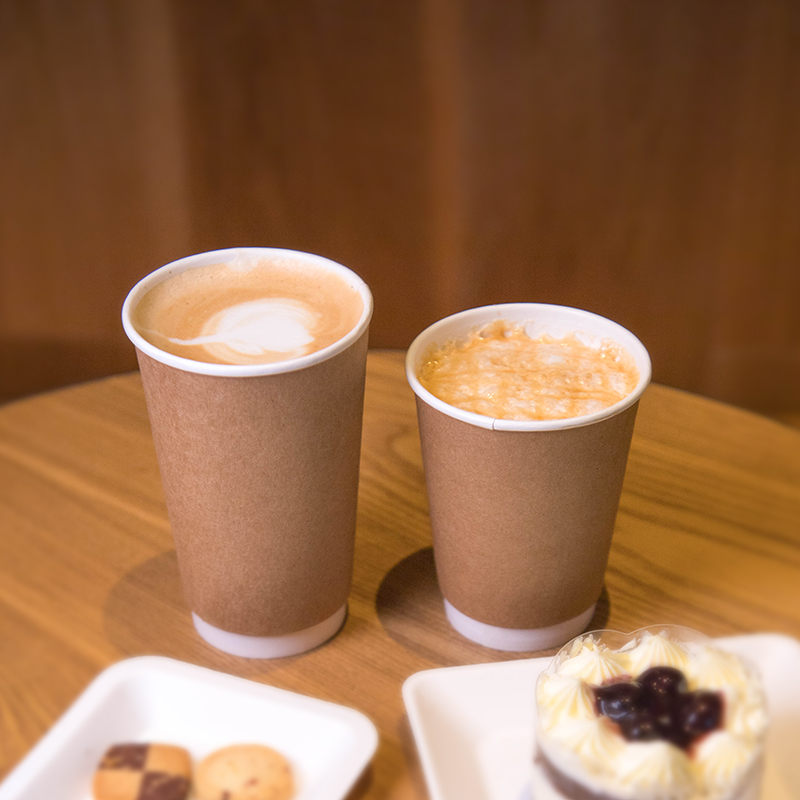
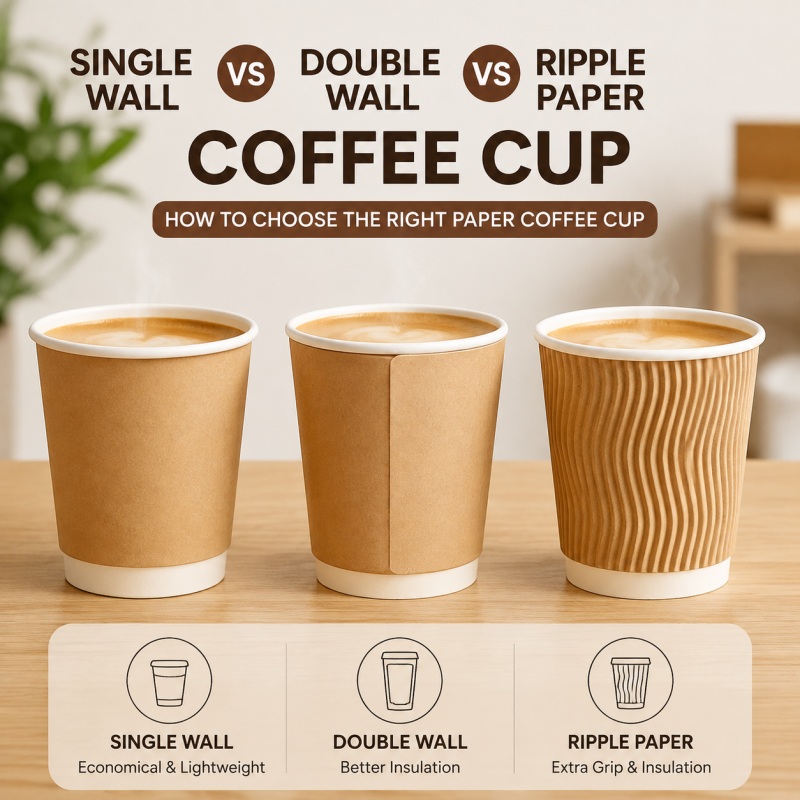
    Picking the best paper coffee cup means balancing product costs with worker speed, storage space, cup strength, and customer safety. Single wall cups cost less to buy at first. Double wall designs keep drinks warm so customers stay comfortable. Ripple wall coffee cups offer the best heat protection and a solid grip during busy hours.   Cup Type 12 oz FOB Price Heat Insulation Sleeve Needed Grip Comfort Sturdiness Primary Application Single Wall $0.020–$0.030 Low Yes Basic Standard Iced or Sleeved Hot Drinks Double Wall $0.042–$0.062 High No Smooth High High-Volume Hot Espresso Ripple Wall $0.055–$0.075 Maximum No Textured Maximum Premium Delivery Takeaway   Key Takeaways Single wall cups cost less upfront but require extra sleeves for hot drinks. Double wall cups keep coffee warm up to 30 percent longer without sleeves. Ripple wall cups provide maximum heat protection and a safe, non-slip grip. Multi-layer cups eliminate sleeve steps to save staff up to 25 minutes per rush.   Single Wall vs. Double Wall vs. Ripple Paper Coffee Cup     Single Wall Cup Specifications and Layer Design Choose single wall options for simple drink operations. Manufacturers build standard single-wall paper coffee cup units using raw bleached kraft cupstock with a paper weight between 170 gsm and 280 gsm. Total PE-coated cupstock weight ranges from 190 gsm to 280 gsm. An inner plastic layer stops liquid leaks. Cold drink cups use a 15 to 18 micron lining. Hot drink cups need a 20 to 25 micron inside layer. Hot drinks at or above 60°C need a thicker 350 gsm paper base plus an extra paper sleeve to protect user hands from heat. Pick specific cup sizes based on different menu needs. A small 4 oz container holds 118 ml for single espresso shots or drink samples. Standard 8 oz and 12 oz choices hold 237 ml and 355 ml for hot cappuccinos and lattes. Bigger 16 oz, 20 oz, and 24 oz sizes hold 473 ml, 591 ml, and 710 ml for cold drinks or frappes.     Double Wall and Ripple Wall Engineering Get better heat control when you switch to multi-layer paper coffee cup designs. Factories make double wall paper coffee cups by attaching a second paper outer wall over an inside liner. This two-layer build creates a trapped 3 to 5 mm space. Trapped air offers a low heat flow rate of 0.024 to 0.026 W/mK compared to normal paper at 0.05 W/mK. This air space cuts heat transfer and keeps hot drinks warm up to 30% longer. Select ripple cups for a strong hand grip and great heat protection. Factories glue a wavy paper layer onto the outer wall surface. This bumpy outer layer creates many tiny air pockets that shield customer hands from high heat. The wavy shape lets your customers hold drinks over 80°C safely without needing extra sleeves.      Insulation Performance and Safety Comparison   Good heat control helps you serve hot drinks safely. Double wall paper coffee cups keep drinks 35% warmer than sleeved single wall cups over an hour. This strong insulation removes your need to buy extra cardboard sleeves. The smart two-layer build holds in heat very well. In 60 minutes, a single wall cup with a sleeve loses 26°C or 31% of its starting heat. By contrast, a double wall paper cup loses just 19°C or 22% of its warmth in that same time. Your coffee shop customers can enjoy hotter coffee much longer on their morning drive. Double wall retains heat 35% better than single wall + sleeve over 60 minutes. The ASTM C1055 test rule checks outer surface safety for hot drink cups. Testers pour 185°F liquid into cups and check outer temperatures after two minutes. For safe and easy holding, the outside of the cup must stay at or below 115°F.   Cup Construction Exterior Temperature After 2 Min Hold Comfort Relative to 115°F Limit Single-wall, no sleeve 155–165°F Exceeds limit; comfortable only 0–8 s; requires sleeve or double-cupping Single-wall with sleeve 115–125°F At the limit; comfortable 15–30 s; acceptable for short holds Ripple-wall 115–130°F Slightly above limit; comfortable 60–90 s; good for moderate use Double-wall 100–112°F Below limit; comfortable indefinitely   Bare single wall cups reach 155–165°F right after you fill them. People can hold these plain cups comfortably for only 0 to 8 seconds. Adding a sleeve to a single wall cup lowers temperatures to 115–125°F for 15 to 30 seconds of easy holding. Wavy ripple cups hold heat 30% to 40% better than plain single wall options. Their bumpy outer layer stays 15°C to 20°C cooler to protect hands from painful burns. People can hold ripple cups comfortably for 60 to 90 seconds. Double wall cups stay between 100°F and 112°F on the outside. This temperature stays safely below the 115°F limit, so buyers can hold drinks as long as they like.   Structural Integrity and Sturdiness Under Heat Hot liquids weaken thin paper cups during long takeaway trips. High heat softens raw paper fibers and melts inner protective plastic coatings. Regular single wall cups bend easily under a firm grip when filled with hot espresso. Your cafe staff must use two cups or add cardboard sleeves to stop cups from caving in during rush hours. These extra steps cause slow customer service lines. Multi-layer paper designs fix these weak cup problems easily. Double wall coffee cups use two layers of thick paperboard. This strong build stops the side walls from crushing when customers squeeze their cups tightly. Bumpy ripple cups add stiff vertical ridges to the outside paper layer. These textured outer ridges give you a better grip and protect against side bumps on the go. You can find strong double wall paper cup items at elementscup. Buying sturdy cups stops messy spills, keeps customers happy, and speeds up busy shop service.   Total Cost of Ownership and Efficiency Calculate all product costs carefully before buying supplies for your cafe shop. Many coffee business owners look only at the basic unit price. You need to calculate the full total to discover your real cost per drink: total cost = single wall unit price + sleeve price + storage cost + labor time per order.   Single Wall Sleeve Expenses vs. Multi-Layer Unit Cost Check the base prices for standard drink containers first. A single wall paper coffee cup costs from $0.020 to $0.030 per item. This starting price seems cheap at first glance. Hot drinks like lattes require protective sleeves to keep customer hands safe. Purchasing extra cardboard sleeves adds another $0.015 to $0.025 to every order. Storage overhead adds extra hidden costs to your monthly business budget. Storing separate boxes of sleeves takes up useful shelf space in your supply room. Small storage areas stay open for key coffee beans and ingredients when you drop sleeve boxes. You have to track two vendors or place double orders. Shipping fees also go up when ordering multiple small shipments. Multi-layer items streamline your purchasing pipeline into one clear item line: Packaging Selection Base FOB Unit Cost Sleeve Add-On Cost True Total Unit Cost Range Storage Footprint Impact Single Wall Option $0.020–$0.030 $0.015–$0.025 $0.035–$0.055 High (Requires double box space) Double Wall Option $0.042–$0.062 $0.000 $0.042–$0.062 Compact (Single box unit inventory) Ripple Wall Option $0.055–$0.075 $0.000 $0.055–$0.075 Compact (Single box unit inventory)   Buying double wall paper coffee cups costs between $0.042 and $0.062 each. Top ripple cups cost from $0.055 to $0.075 each. Basic price checks show that single wall cups with sleeves cost about the same as built-in double wall paper cup items. These savings balance out early stock costs fast. Picking built-in designs removes extra supply tasks entirely.   Rush-Hour Service Speed and Labor Impact Work steps during busy morning rushes directly shape your overall daily sales. Single wall setups make your workers perform extra physical steps for each hot drink order. A worker grabs a cup, fills hot coffee, takes a cardboard sleeve, slides it on, and caps the drink. Some cafes use two cups instead, which wastes two plain cups on one drink. Integrated multi-layer cups optimize your service workflow during peak hours: A worker grabs a ready double wall coffee cup right from the storage stack. A worker pours hot coffee into the sturdy cup without burning any hands. A worker pushes the tight lid onto the top rim in one smooth motion. A worker hands the finished drink right to the waiting coffee customer. This simple work method saves your team 3 to 5 seconds on every drink. Making 300 hot drinks during a morning rush saves up to 25 full work minutes. This saved labor time cuts your wage costs for every cup served during busy shifts. Faster service lines let your shop fill more customer orders every hour. Quick service lowers customer waiting times, boosts total morning profits, and keeps your staff from getting tired.   Storage Footprint and Branding Surface   Stackability Density and Inventory Footprint Storage space directly impacts daily coffee shop management. Single wall paper cups stack tightly inside shipping boxes. Their thin side walls allow easy storage on inventory shelves. You can place many single wall units inside small stockroom areas. This compact stacking saves useful shelf space for extra coffee beans, syrup bottles, and paper napkins. Multi-layer paper cups need larger storage areas inside your shop stockroom. Double wall coffee cups use an air gap that makes outer rims wider. Ripple cups add a thick textured layer around outer paper walls. These extra layers lower total nesting depth inside shipping boxes. So, one master box holds fewer multi-layer units than single wall options. You need extra shelf space when stocking double wall paper cup.   Print Surface Quality and Branding Suitability Your paper drink container serves as a mobile billboard on city streets. Single wall designs and double wall paper coffee cups feature smooth paper outer surfaces. Printing machines add bright colors, fine text lines, and detailed brand logos onto these flat surfaces. Smooth double wall paper cup choices show custom graphics with great visual clarity. You can print sharp artwork and exact color tones to build high brand recognition with local customers. Ripple cups offer a unique look and feel for your takeaway menu. Bumpy outer waves form a strong textured surface around the container. Fine text lines and complex multi-color artwork can bend across these raised vertical ridges. Standard printing works best with bold logos and simple shapes on textured paper walls. Yet, the firm grip of ripple cups gives a memorable hand feel that shows your commitment to quality coffee service.   Strategic Selection Matrix for Operators   High-Volume Takeaway vs. Specialty Espresso Bars Busy takeaway shops need quick workflows and low costs. You can improve supply plans by picking 12 oz options as main stock. The 12 oz cups make up 35-40% of orders in busy chains. Paper cups should form 60-70% of total packaging stock. Matching inventory with customer demand lowers buying costs by 12-18%. Busy shops stop service delays during peak hours when workers use simple standard cup sizes. Specialty cafes focus on drink warmth and customer comfort. Double-wall cups put an air gap between two paper layers to trap heat inside. The firm outer wall stays cool so cups do not collapse easily. Ripple-wall cups use a bumpy texture that forms a natural air layer for heat protection. This raised shape gives customers a firm grip and keeps hands safe without needing extra paper sleeves.   Choosing the Right Paper Coffee Cup for Your Business Order details help you plan stock needs for different paper cup styles. Plain white 7 oz single wall cups need a 10,000-piece min order and take 3–5 workdays. Custom printed 12 oz single wall units require 30,000 pieces and take 7–10 workdays. Insulated 16 oz double wall cups take 7–9 workdays for 20,000 pieces. Bumpy 24 oz ripple wall designs need 15,000 pieces and take 6–8 workdays. Flexible buying choices can reduce your initial product costs. Helpful suppliers allow small custom runs starting at 5,000 pieces for simple single-color prints. Eco-friendly PLA double-wall items need a 20% higher min order than basic PE choices. Ordering paper coffee cups together with matching lids and straws reduces overall order limits by 25%. Always check stock room space, as compostable cups last only 8 months on the shelf. Single wall cups drop your early prices on cold or sleeved drinks. Double wall and ripple wall options protect hands, trap heat, and stop side walls from crushing. Use this simple four-step purchasing list to pick the best paper coffee cup for your business: Check your total sales numbers for hot and cold drinks. Check your total storage room and box space limits. Test warm cup samples at 90°C for lid tightness and leaks. Add up all unit prices including shipping, insurance, and taxes. Get sample boxes to check real cup quality before you place big custom orders.   FAQ   Do double wall paper coffee cups eliminate the need for sleeves? Yes. Double wall paper coffee cups trap a 3 to 5 mm air layer between two paperboards. This design keeps outer temperatures from 100°F to 112°F. Your customers can hold hot drinks comfortably without buying or adding extra cardboard sleeves. How do ripple cups protect hands from hot liquids? Ripple cups feature a wavy, textured paper layer glued onto the outer wall. These vertical ridges make air pockets that keep the outer surface 15°C to 20°C cooler than plain single wall choices. You give customers a safe, non-slip grip on hot takeaway drinks. How much time do double wall coffee cups save during peak hours? Ready-to-use double wall coffee cups save your staff 3 to 5 seconds per hot drink order. Workers skip the extra step of sliding on cardboard sleeves during morning rushes. Serving 300 hot drinks saves up to 25 full work minutes every day. Where can you buy sturdy double wall paper cup options? You can explore high-quality double wall paper cup inventory at www.elementscup.com. Their multi-layer paper containers give great heat retention, stop side-wall crushing under pressure, and help speed up customer service during your busiest operational hours.  
  • How Custom Paper Cups Help Coffee Brands Build Stronger Customer Recognition How Custom Paper Cups Help Coffee Brands Build Stronger Customer Recognition Aug 12, 2026
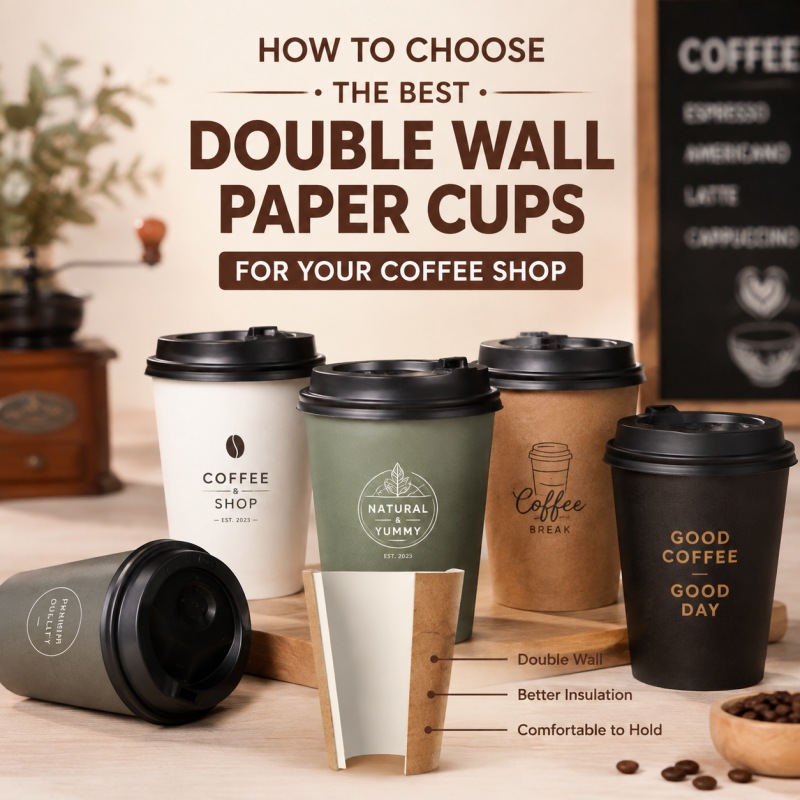
    You turn every daily beverage transaction into passive local advertising with custom paper cups. Generic packaging fails to capture valuable equity. Plain containers waste dynamic real-world touchpoints every single morning. In contrast, custom artwork creates an immediate visual anchor in outdoor spaces. Passersby instantly notice each coffee buyer walking through busy streets. This constant physical exposure powers your entire local marketing engine efficiently. You transform routine coffee consumption into stronger brand recognition and immediate social proof. This persistent visual presence steadily elevates customer recognition across the neighborhood. Ultimately, your strong brand identity drives deeper long-term retention among daily coffee drinkers in your community.   Key Takeaways Custom paper cups turn daily takeout drinks into active mobile advertisements on busy neighborhood streets. Branded packaging offers a cheaper way to reach local customers compared to digital ads. Eco-friendly materials and thoughtful cup designs build immediate customer trust and show quality. Interactive QR codes on paper cups easily connect daily physical orders to digital loyalty rewards.   How Custom Paper Cups Act as Mobile Billboards     Maximizing Brand Visibility on the Street Every morning, local customers walk out of your cafe carrying fresh beverages. These active pedestrians carry your distinctive logo across crowded city sidewalks, bustling train stations, and corporate office halls. Heavy foot traffic continually converts everyday carryouts into passive street-level advertising for neighborhood cafes. Each portable cup transforms an ordinary customer into an active walking ambassador for your business. Prospective buyers notice your logo repeatedly during their daily morning commutes. This persistent high-frequency exposure creates familiar visual anchors in busy public spaces. People naturally remember your shop location whenever they crave gourmet coffee later in the afternoon. Cost-effective physical marketing tools generate maximum brand visibility without expensive ad budgets. You can reach hundreds of local residents every day simply by serving drinks in branded packaging. Compare the average cost per thousand impressions (CPM) of common advertising channels in the table below: Advertising Medium Cost Per Thousand Impressions (CPM) Branded Paper Cups $3 Instagram Ads $8 - $15 Google Ads (Display Network) $12 - $25 Billboard $5 - $10   Turning Takeout Orders Into Daily Touchpoints Every takeaway order provides a valuable free brand impression right in the hands of active consumers. High-quality physical packaging keeps hot and cold drinks secure while continually boosting local visibility throughout the community. Elements Paper Cups offers sturdy single-wall designs for iced coffee, juice, and cold beverages. For hot cocoa or specialty tea, durable double-wall construction eliminates the need for extra paper sleeves entirely. Properly insulated containers allow patrons to hold hot beverages comfortably while walking long distances across town. Your custom printed graphics stay completely visible without annoying cover-ups during daily drink consumption. Repeated exposure to branded coffee cups builds long-term recall and deep customer trust. According to research from the Advertising Specialty Institute, 85% of people remember the advertiser on a promotional product after seeing it repeatedly. Promotional drinkware generates an average of 1,300 impressions throughout its lifetime, costing about 1 cent per impression. Furthermore, 80% of customers say they have a better impression of a brand after receiving personalized cups or promotional merchandise. This repeated exposure fosters positive associations during ordinary daily routines, which directly supports customer retention over time. Real-world commercial results demonstrate the financial power of customized packaging solutions: A small coffee shop introduced custom cups featuring a distinctive color scheme, playful logo, and catchy tagline. Customers began posting photos on social media platforms, tagging the shop and boosting its digital presence. Within six months, the shop saw a 20% increase in foot traffic, attributed to social media engagement and word-of-mouth. Thoughtful packaging design elevates your everyday customer experience significantly. Strategic visual presentation increases brand exposure across your target neighborhood every single morning. Elements Packaging helps you maintain complete visual consistency and strong brand loyalty across both cold and hot menus. Ultimately, you turn routine daily coffee orders into dynamic marketing assets when you serve drinks in custom paper cups.   Elevating Customer Recognition Through Design   Strengthening Brand Quality and Perception Visual elements directly influence how consumers evaluate your menu offerings. Vibrant color palettes and bold logos on custom paper cups communicate professional value immediately. You signal exceptional craftsmanship when you select high-contrast colors and strategic graphic placements. Industry research proves container colors alter taste perceptions directly. For instance, testing shows 80% of females reported a richer aroma from red containers, while 73% found coffee in brown containers too strong. Precise visual choices shape expected flavor before a customer takes one sip. Gourmet coffee lovers appreciate thoughtful visual details on their morning containers. Color psychology plays an essential role in customer attraction. A professional cup design uses premium print finishes to create lasting tactile cues. Smooth satin coatings feel refined to the touch. In contrast, textured surfaces convey physical strength. Strong contrast between glossy graphics and matte backgrounds demonstrates careful attention to detail. Embossed patterns offer tactile depth that engages customer senses directly. This physical interaction transforms ordinary takeaway drinkware into a memorable physical touchpoint. Lab studies from the U.S. Postal Service Office of Inspector General and Temple University found that physical ads create stronger memories and higher perceived value than digital alone. You elevate overall cup quality by combining sharp visual cues with superior physical stability. Reliable structural integrity prevents unexpected spills during transport. Customers associate this physical dependability with high product standards. High-grade physical packaging protects drink temperatures while maintaining surface comfort for walking consumers. Distinctive physical features shape consumer perception effectively: Visual Identity: Consistent colors and logos build a mental link between your beverage and your brand. Tactile Cues: Sturdy double walls and leak-proof lids show respect for your product. Quality Signals: Unique designs transform every takeaway drink into a premium experience. Recommendation Triggers: Passersby notice attractive packaging in public spaces and try new cafes based on visual appeal. Every well-crafted container serves as a proxy recommendation. Thoughtful design choices drive stronger word-of-mouth marketing across your neighborhood.   Utilizing Eco-Friendly Packaging to Build Trust Packaging materials act as silent communicators of your corporate values. Modern consumers frequently interpret sustainable material choices as clear signals of ethical commitment. Eco-friendly packaging choices reflect positively on your entire corporate philosophy. You demonstrate genuine environmental responsibility by choosing branded coffee cups built from renewable resources. Elements Packaging provides eco-conscious solutions engineered with FSC-certified paper pulp. These reliable options eliminate reliance on standard unsustainable materials while preserving complete beverage integrity. Innovative material options allow you to protect local ecosystems without sacrificing daily operational convenience. You can select custom-printed coffee cups featuring plant-based PLA coatings designed for industrial compostability. Alternatively, you can choose advanced plastic-free aqueous barrier coatings for seamless recycling. These sustainable alternatives reduce your overall environmental footprint while providing reliable leak-resistant performance. Every sustainable cup serves a functional purpose while reducing environmental impact significantly. Selecting sustainable materials creates distinct custom artwork that appeals to eco-conscious patrons. Transparent eco-friendly choices strengthen emotional connections with environmentally conscious consumers. Buyers feel genuine satisfaction when supporting businesses that protect natural resources actively. This positive alignment transforms an ordinary daily transaction into a meaningful brand interaction. Furthermore, offering responsible custom packaging deepens customer loyalty over time. Distinctive sustainable branding builds lasting trust, boosts local brand recognition, and elevates every customer experience.   Leveraging Custom Drink Cups for Digital Engagement   Driving Social Media Shares With Unique Artwork You can transform everyday physical containers into viral social media assets. In 2014, Starbucks launched the #WhiteCupContest on Twitter and Instagram. Customers doodled on white coffee cups and shared their creative drawings online. This effort generated over 4,000 entries and millions of impressions within three weeks. This initiative directly supported a period of record sales for the enterprise. You build massive digital engagement when you invite active patrons to decorate physical packaging. Distinctive cup designs tap directly into user social currency. Customers love sharing pictures of custom drink cups across personal online networks. Low participation barriers encourage regular patrons to post photos during ordinary morning routines. In 2016, the #RedCupArt challenge repeated this successful framework on iconic holiday cups. Unique visual artwork instantly boosts local visibility and elevates direct marketing campaigns. Integrating Interactive QR Codes for Loyalty Dynamic technology connects physical custom drink cups directly to digital brand interactions. You can print unique custom graphics on sturdy custom paper cups to attract tech-savvy shoppers. Coffee shops can place scannable codes on cups, packaging, or receipts. Each scan could reward customers with loyalty points for future discounts. This efficient strategy lowers printing expenses while building strong customer loyalty across your target neighborhood. Digital incentives turn ordinary beverage carryouts into active repeat visits. You strengthen direct relationships without spending extra money on printed physical paper coupons. Real shop data demonstrates the clear marketing value of smart packaging placements. The Daily Grind Coffee Shop printed scannable codes on cup sleeves with a "Scan for a free pastry" promotion. Analytics showed QR codes on coffee cup sleeves achieved the highest scan rates among all tested promotional placements. You turn branded drinkware into an interactive asset by placing scannable elements next to official logos. Elements Packaging helps cafes build lasting digital engagement through versatile drinkware options.   Creating a Unified Brand Packaging Ecosystem   Aligning Cup Styles Across Hot and Cold Menus You create a cohesive physical presentation when you match your packaging options across your entire menu. You should serve espresso in small containers while reserving larger vessels for milk-based lattes and iced tea. Standardizing your daily portion sizes builds immediate confidence among morning patrons. Elements Packaging helps you maintain this visual harmony across all beverage temperatures effortlessly. Matching your packaging style to specific menu items transforms daily orders into a unified brand presentation. Proper container alignment ensures every patron receives an attractive drink while walking through public spaces. Uniform visual details build familiarity across your entire product line. You reinforce quality standards when cold beverages and hot drinks share identical colors, logo placements, and typography. Companies with consistent packaging experience 23% higher customer retention rates. Customers instantly recognize your products in any environment. Standardized visual design elements build strong visual recall over time across your local community. This visual harmony reassures buyers and simplifies their purchasing choices every morning.   Reinforcing Identity Across Every Touchpoint A seamless packaging ecosystem extends your market reach beyond the service counter. Using custom paper cups creates a physical touchpoint that shapes customer perceptions directly. High-quality presentation reinforces professional service across all store locations consistently. Marketers report compelling financial benefits from maintaining uniform visuals across all channels: Metric Financial and Loyalty Impact Visual Identity Trust 73% of consumers trust companies with a consistent visual identity. Revenue Attribution 68% of marketers report consistent branding increased revenue by at least 10%. “The most common mistake is inconsistency across visual elements, using different logos, colors, or messaging across various platforms.” — Joshua Schmitt, Senior Graphic Designer Every takeaway order strengthens your presence across the neighborhood. Using branded coffee cups reinforces your identity during daily routines. Furthermore, serving delicious coffee in branded drinkware turns everyday coffee consumption into a memorable customer experience. This thoughtful attention to detail encourages repeat visits while elevating overall customer satisfaction.   Custom paper cups provide powerful marketing advantages for every modern business. You turn a simple operational expense into a high-return local marketing tool. Daily drink carryouts generate persistent visual exposure across busy neighborhood streets. Now you can upgrade your coffee shop packaging strategy through three straightforward steps: Select signature design elements that highlight your unique brand identity clearly. Choose appropriate vessel sizes like 8oz, 12oz, and 16oz to fit your entire drink menu. Align your physical packaging with digital loyalty programs to reward repeat buyers continuously. Serving delicious coffee in branded coffee cups secures maximum long-term customer recall across your entire target community.   FAQ What sizes do custom paper cups come in? Elements Packaging offers custom paper cups in popular commercial sizes. You can choose 8oz, 12oz, 16oz, and 22oz options for your beverage menu. These standard sizes accommodate everything from espresso shots to large iced coffees.   How do branded paper cups improve local marketing? Branded paper cups turn everyday takeout orders into mobile advertisements across your neighborhood. Walking customers display your unique logo to nearby pedestrians. This continuous visual exposure builds immediate brand recognition and drives new patrons to your shop.   Are eco-friendly packaging options available for custom drinkware? Yes. Elements Packaging manufactures sustainable options using FSC-certified paper pulp. You can select industrial-compostable PLA coatings or plastic-free aqueous barrier coatings. These eco-friendly materials deliver reliable leak-proof performance while protecting the environment.   Should you choose single-wall or double-wall paper cups? Single-wall cups work best for iced coffee, juice, and cold drinks. Double-wall cups feature extra insulation to keep hot beverages warm. This durable double-wall construction keeps customer hands comfortable while eliminating the need for extra paper sleeves.  
  • How to Choose the Best Double Wall Paper Cups for Your Coffee Shop How to Choose the Best Double Wall Paper Cups for Your Coffee Shop Aug 06, 2026
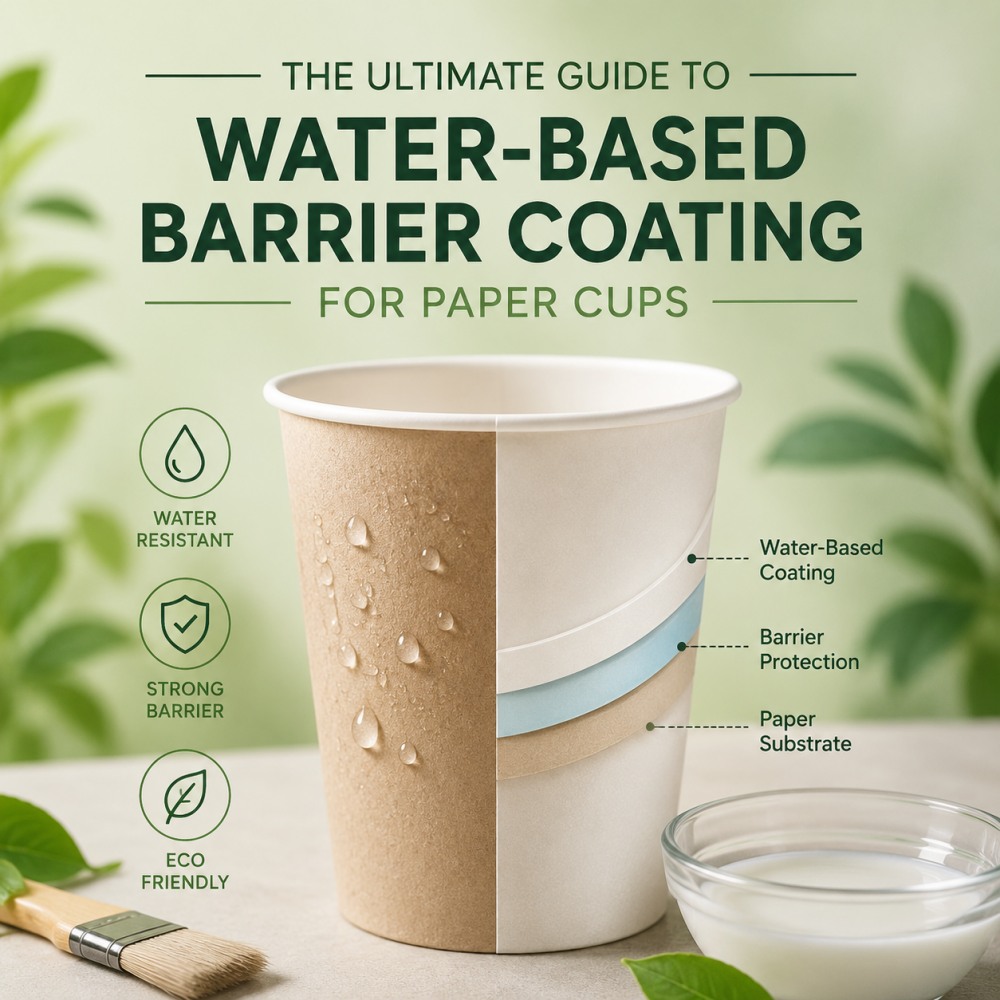
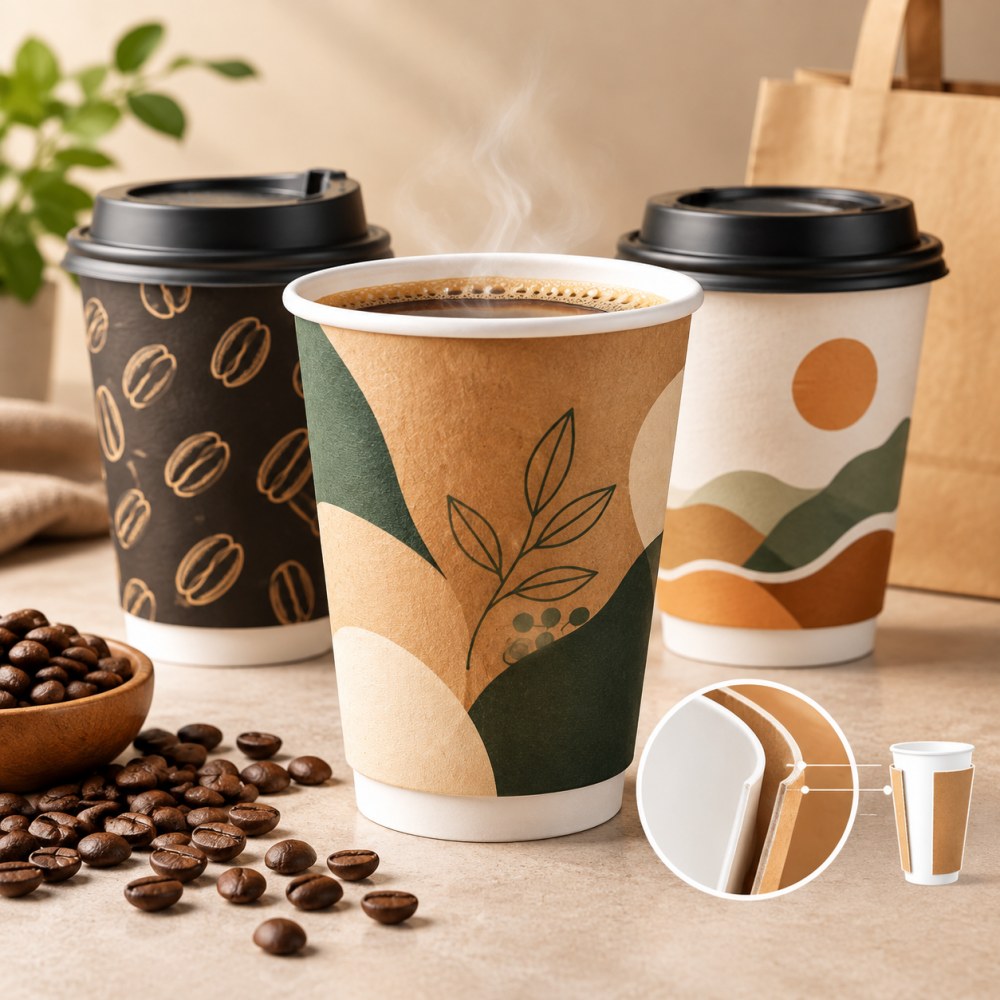
    As a coffee shop owner, your drinkware directly shapes customer satisfaction, brand perception, and daily operational safety. Hot coffee demands containers that protect hands while keeping beverages warm. Choosing high-quality double wall paper cups requires careful evaluation of five essential factors: heat insulation performance, structural durability, lid fitment, custom branding capability, and unit cost. Evaluating physical cup construction prevents costly cafe accidents. Weak sidewalls collapse easily under pressure, and ill-fitting lids cause messy spills. Furthermore, poor insulation forces customers to use extra sleeves, driving up expenses. Inspecting paper firmness, seam tightness, and rim consistency ensures your takeaway cups deliver a safe, premium experience.   Key Takeaways Double wall paper cups keep drinks hot longer and protect customer hands without extra sleeves. High-density paperboard and tight rims prevent messy leaks, cup collapses, and burn accidents. Standardized top rim sizes save valuable storage space and speed up busy coffee service. Custom printed eco-friendly cups improve your brand image and protect the environment.   Evaluate Insulation and Material Quality Advantages of Double Wall Paper Cups You improve daily cafe operations when you select double wall paper cups for your hot beverage menu. The outer paper layer creates an insulating air gap that slows heat loss. This clever physical structure protects your customers' hands from high beverage temperatures. You eliminate the need for separate cardboard sleeves entirely. Removing extra sleeves saves valuable back-of-house storage space. Eliminating sleeves also cuts down drink preparation time during morning rush hours. Proper heat insulation ensures a premium drinking experience for every customer. Superior heat retention maintains your specialty coffee at optimal serving temperatures longer. Extended Thermal Duration: Double-wall paper cups maintain drink temperatures effectively for 20 to over 30 minutes, whereas single-wall alternatives lose heat much faster, lasting only about 10 to 15 minutes. Insulation Mechanism: The structural design incorporates an intentional air gap between two layers of paper, which functions as an insulating barrier that minimizes heat conduction. Metric / Thermal Property Performance Gain of Double-Wall vs. Single-Wall Key Observation / Test Detail Overall Insulation Improvement ~60% better Measured when filled with 95°C hot water Outer Wall Surface Temperature 33%–40% reduction (24°C–27°C lower) Maintains surface near 50°C instead of >80°C Effective Thermal Conductivity 44% lower Trapped 3–5mm air layer approaches air's thermal conductivity Heat Transfer / Temp Rise Rate Reduced to 41.7% of single-wall rate Significantly slows down heat loss over time Using double wall paper cups protects customer comfort while maintaining beverage taste over time. Your customers enjoy hot drinks safely without burning their fingers.   Paper Density and Wall Structure Paperboard density directly dictates physical cup strength and thermal retention. Packaging manufacturers measure paper weight in grams per square meter (GSM). High paperboard GSM prevents sidewall softening when hot liquid fills the container. Choosing a robust disposable double-walled coffee cup keeps structural integrity intact throughout long customer commutes. You must select appropriate thickness ranges for both interior and exterior walls to guarantee maximum product durability in daily cafe operations. High density paperboard provides rigid wall support during daily customer handling. Layer Recommended GSM Range Inner Wall 180 – 250 GSM Outer Wall 200 – 300 GSM Combining these heavy paperboard layers creates a sturdy rigid frame. Higher density paperboard effectively resists internal moisture absorption over time. Proper thickness keeps cup sidewalls firm during firm squeezing. Firm sidewalls protect your customers from accidental cup collapsing or liquid spills. You maintain consistent drink presentation across every service shift by ordering correct material densities. Durable cup walls prevent hot liquids from leaking through weakened paper seams.   Rim Rigidity and Leak Prevention A tightly rolled rim provides essential structural support to the upper cup edge. Firm rim rigidity prevents cup collapsing when customers apply downward pressure to attach drink lids. You safeguard your business against messy spill accidents by verifying rim tightness during sample evaluations. Precise rim circularity ensures an airtight lid seal for busy on-the-go patrons. Uniform rim dimensions stop liquid seepage along side seams during transport. Premium double wall paper cups maintain shape under heavy use, ensuring safe transport for every hot beverage you serve. Strong rims retain structural integrity under continuous handling. You build customer trust when your drink packaging prevents accidental burn injuries and clothing stains. Quality testing guarantees reliable lid fitment across high-volume daily beverage sales.   Select Sizes and Compatible Lids Matching Capacities to Menu Items Selecting correct cup capacities protects original beverage flavor profiles and increases overall customer satisfaction. In North America, offering 4 oz, 8 oz, 12 oz, and 16 oz options covers about 95% of typical menu orders. Core drivers like 12 oz and 16 oz sizes represent 65%–75% of total daily cup volume. Continental European specialty menus rely on a standard 200–300 ml range for takeaway orders, with ~400 ml acting as maximum menu capacity. Matching physical cup volumes preserves intended coffee recipes. An 8oz double wall paper cups design holds cappuccinos within 150–200ml total volume, maintaining rich espresso taste without milk dilution. A 12oz cup holds double espresso shots alongside 250–270ml of steamed milk with proper headroom. Furthermore, a 16oz size accommodates large lattes and cold ice displacement effortlessly.   Securing Leak-Proof Lid Fits Precise lid fitment prevents hazardous drink spills and protects customer safety during busy morning commutes. You must evaluate physical snap-fit lid security against the top rolled rim profile of your chosen double wall paper cups. Strong rim engagement keeps lids anchored tightly when customers apply firm handling pressure. Proper lid closure maintains internal beverage temperature effectively and stops liquid seepage along side paper seams. Weak lid fitment causes dangerous liquid drips during active customer movement. Verifying tight lid seals across daily sample batches protects customer clothing and maintains high service standards.   Standardizing Rim Diameters Standardizing top rim diameters improves daily operational efficiency across your entire beverage menu. Utilizing standardized rim sizes reduces your required cup storage footprint by an estimated 15–20%. Baristas grab universal lid designs quickly during rush periods without searching through matching size variants. Eliminating redundant lid SKUs lowers overall working capital tied up in unused storage inventory. Streamlining rim profiles minimizes drink preparation mistakes during peak operational sales shifts. Equipping your business with a uniform disposable double-walled coffee cup setup speeds up order fulfillment consistently.   Choose Sustainable Double Wall Paper Cups Eco-Friendly Lining Options You must select correct eco-friendly lining materials to reduce environmental impact. Modern cafes prefer sustainable barrier coatings on double wall paper cups over traditional plastic linings. Feature PLA Coating Aqueous Coating Environmental Breakdown Requires industrial composting streams; degrades within 3–6 months. Plastic-free; home or soil compostable; easily recyclable. Thermal Performance Tends to soften above 80°C. Offers high heat resistance. Official certifications verify eco-friendly claims for your shop. Look for BPI certification following ASTM D6868 or ASTM D6400 standards in North America. European markets recognize TÜV Austria testing standards like OK Compost INDUSTRIAL and OK Compost HOME under EN 13432. These certifications guarantee full biodegradation within commercial composting facilities.   Custom Branding with Elements You convert standard drinkware into powerful promotional assets using Elements packaging solutions. Strategic visual design strengthens business identity across every service shift. Converting everyday takeaway items into mobile billboards shifts packaging from a standard operational expense into a strategic marketing investment that enhances brand recognition and fosters long-term customer loyalty. Custom logo printing builds strong brand recall during morning rushes. Customers carrying a customized disposable double-walled coffee cup act as walking advertisements across offices and public transit. Aesthetic packaging also inspires patrons to post photos on social media channels, generating organic marketing reach.   Print Quality and Surface Finishes Selecting advanced printing methods ensures crisp graphics on smooth outer cup walls. Offset Printing: Delivers sharp graphics alongside high color fidelity using precise Pantone color matching. Embossing & Foil Stamping: Provides a tactile finish that adds an elegant look to custom packaging. Food-safe soy and water-based inks deliver vibrant imagery while maintaining strict safety standards. These specialized inks offer thermal stability and appropriate viscosity, so pigments never degrade during hot beverage sales. Strong ink adhesion prevents smudging on customer hands, keeping your printed branding clear and professional.   Analyze Total Cost and Supplier Logistics Calculating True Unit Cost You evaluate total packaging expenditure by looking beyond the base purchase price. Investing in double wall paper cups eliminates the extra cost of separate cardboard sleeves entirely. You calculate actual item expenses using a plain formula: total unit cost = combined cup and freight expense / total volume. Sourcing requirements depend directly on your custom branding goals. Plain stock cups require baseline order volumes between 1,000 and 5,000 units. Basic custom logo prints raise minimum orders to 10,000 units. Complex full-color designs demand larger runs between 30,000 and 50,000 units due to factory printing constraints.   Managing Order Quantities and Storage Safe warehouse protocols preserve the structural strength of every disposable double-walled coffee cup shipment. You store inventory within a temperature range of +5°C to +25°C while maintaining ambient relative humidity near 55%. Humidity levels above 60% cause mold growth, while levels under 40% make paper brittle. You allow new stock to adjust inside sealed packaging for 2 to 4 days before opening. Proper stacking prevents carton damage during seasonal climate shifts. You maintain a clearance distance of at least 45 cm between product stacks and exterior walls to promote air circulation.   Choosing Reliable Supply Partners Partnering with dependable supply vendors like Elements protects your daily cafe operations from inventory shortages. You demand high performance standards, including a minimum 95% on-time delivery rate. Written service level agreements guarantee consistent restocking schedules for your business. Strict quality control protocols keep defective products off your service counter. You verify that your supplier maintains an acceptable quality level with an AQL under 0.4% defect threshold. Physical sample testing across separate production runs confirms rim tightness and wall strength before you sign long-term supply contracts.   Selecting ideal double wall paper cups requires careful evaluation of key performance factors: Superior thermal insulation maintains safe outer temperatures using an integrated air gap. Smooth interior linings prevent sogginess, while high paperboard density maintains structural rigidity. Precise rim dimensions prevent leaks, and FSC-certified paper supports environmental sustainability. Non-smudge custom printing using food-safe inks enhances brand visibility on takeaway orders. Audit your current drinkware inventory today. You should request sample kits from Elements to evaluate physical cup quality, heat retention, and lid security directly. Contact Elements now to place an order that aligns with your daily operational needs and budget goals.   FAQ Why should you choose double wall paper cups over single wall cups with sleeves? Double wall paper cups feature an integrated air gap that improves thermal insulation by about 60%. This design eliminates separate cardboard sleeves entirely, saving valuable back-of-house storage space and speeding up drink preparation during peak morning rush hours while keeping customer hands comfortable. What minimum order quantities should you expect for a customized disposable double-walled coffee cup? Order minimums depend directly on your design requirements. Plain stock cups require baseline orders between 1,000 and 5,000 units. Basic custom logo prints raise minimum order quantities to 10,000 units, while full-color custom artwork requires larger runs between 30,000 and 50,000 units. How long do double wall paper cups keep hot beverages warm? Quality double wall paper cups maintain serving temperatures effectively for 20 to over 30 minutes. The trapped air layer lowers effective thermal conductivity by 44%, slowing drink heat loss significantly compared to single-wall alternatives that lose warmth within 10 to 15 minutes. How do you verify eco-friendly claims for your disposable double-walled coffee cup inventory? You verify sustainability claims by checking product certifications directly. Look for BPI certification following ASTM D6868 or ASTM D6400 standards in North America. For European distribution, confirm TÜV Austria ratings such as OK Compost INDUSTRIAL under EN 13432 to ensure full commercial breakdown.
  • The Ultimate Guide to Water-Based Barrier Coating for Paper Cups The Ultimate Guide to Water-Based Barrier Coating for Paper Cups Jul 29, 2026
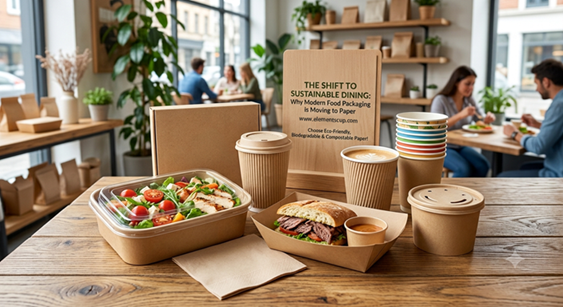
    You see water based coating paper cup solutions gaining attention because they use innovative, plastic-free technology. This approach supports the move from plastic to paper food packaging. Water-based coatings help you meet strict environmental standards. Recent regulations push for eco-friendly materials. Regulation Impact on Water-Based Coatings SUPD Promotes compliance with recycling standards, encouraging environmentally friendly materials. PPWR Drives the shift towards materials that align with circular economy principles, reducing compliance risks. You can choose options that comply with SUPD and PPWR, using bio-based materials for a sustainable future.     Key Takeaways Water-based coatings provide a plastic-free solution for paper cups, aligning with environmental regulations and reducing plastic waste. These coatings enhance recyclability, allowing cups to be processed with regular paper, which helps minimize landfill waste. Water-based coatings improve food safety by avoiding harmful chemicals and reducing the risk of microplastics in beverages. Choosing water-based coatings supports a positive brand image, appealing to consumers who prioritize eco-friendly products. Investing in water-based coating technology can lead your business towards sustainability while maintaining product performance.   What Is Water Based Coating Paper Cup? How Water-Based Barrier Coating Works You may wonder how a water based coating paper cup achieves its protective qualities without plastic. The answer lies in the dispersion technique. Manufacturers apply a liquid water-based dispersion directly onto the paperboard. This layer dries to form a thin, flexible barrier that keeps liquids from soaking through the cup. The process does not require a plastic film, which makes the cup easier to recycle. The chemical makeup of the dispersion is important. It contains emulsifiers and hydrophobic materials. These ingredients work together to block water, grease, and oil. You get a cup that holds both hot and cold drinks without leaking. The absence of a plastic film means you can recycle these cups in standard paper streams. This method supports the growing demand for water barrier coated cups and sustainable packaging. Tip: The dispersion technique not only improves recyclability but also helps you meet strict environmental standards. Key Benefits for Food Packaging Switching to a water based coating paper cup brings several advantages for food packaging. First, you avoid plastic entirely. The coating dissolves back into water during recycling, so it does not create microplastics. This feature allows you to recover up to 99% of the paper fibers, making the cup fully recyclable. You also meet the requirements of regulations like SUPD and PPWR, since the coating does not count as a plastic layer under EU rules. Here are some key benefits you gain when you choose a water based coating paper cup: Plastic-Free Solution: You eliminate the need for traditional plastic films, which helps your business align with new environmental laws. High Recyclability: The coating allows almost all paper fibers to be recovered, so you can recycle these cups with regular paper products. Improved Compostability: The coating breaks down more easily than plastic, which supports better waste management and composting. Enhanced Performance: The barrier resists water, grease, and oil, so your drinks and foods stay contained without leaks or soggy paper. You play a role in reducing plastic waste and supporting a circular economy when you use barrier coating for paper cups. This approach also helps you build a positive brand image. Customers notice when you choose eco-friendly options like paper cup coating. As more businesses and consumers look for sustainable choices, water based coating paper cup solutions stand out as a smart and responsible option.   Water-Based vs PE and PLA Coatings Composition and Application Differences You need to understand how the materials in paper cup coatings differ. Water-based coatings use a blend of water, natural materials like starch and cellulose, minerals, and some synthetic polymers. PE coatings rely on polyethylene, a type of plastic. PLA coatings come from renewable resources such as corn starch. Here is a table that shows the differences in composition and application: Coating Type Composition Details Environmental Impact Performance Characteristics Water-Based Blend of water, natural materials (starch, cellulose), minerals, synthetic polymers Biodegradable, eco-friendly Compostable, suitable for various applications PE Polyethylene Non-biodegradable, recycling challenges Excellent moisture and grease resistance PLA Derived from renewable resources (corn starch) Biodegradable under industrial composting Food grade, high strength, resistance to heat, water, and grease You see that water-based coatings offer a plastic-free solution. You can apply them directly to paperboard using a dispersion technique. PE and PLA coatings require extrusion or lamination, which adds complexity to manufacturing. Water-based coatings make recycling easier because they do not create microplastics. Another table highlights application differences: Coating Type Durability Environmental Impact Cost Compostability Ideal Use Case PE High Poor Low No Cost-driven mass production PLA Medium Good Medium Industrial composting Sustainable brands Water-Based Medium Excellent Medium-High Yes Eco-friendly packaging You can see that water-based coatings fit best for eco-friendly packaging and brands that value sustainability. PE coatings suit mass production where cost matters most. PLA coatings work for brands that want renewable materials but need industrial composting.     Efficiency and Performance You want your paper cup coating to perform well and stay cost-effective. PE coatings offer the lowest cost and excellent performance. PLA coatings cost more but provide good strength and resistance. Water-based coatings cost the most but match PE in performance. Here is a comparison table: Feature PE Coating PLA Coating Water-Based Coating Cost Lowest Medium Highest Performance Excellent Good Excellent You notice that water-based coatings deliver excellent performance. They resist water, grease, and oil, making them suitable for hot and cold drinks. PE coatings have high durability and moisture resistance. PLA coatings offer moderate durability and moisture resistance. Another table shows performance metrics: Coating Type Durability Moisture Resistance Environmental Impact PE High Excellent Moderate PLA Medium Moderate High Water-Based Medium Low Very High You see that water-based coatings excel in environmental impact. PE coatings last longer and resist moisture better, but they pose recycling challenges. PLA coatings perform well but need special composting facilities. Note: Water-based coatings help you meet strict environmental standards without sacrificing performance. You can use water barrier coated cups for a wide range of beverages and foods.   Environmental Impact You want to choose a coating that supports sustainability. Water-based coatings stand out because they work with modern recycling systems. You can recycle them with regular paper, which enhances their recyclability. PE coatings create recycling challenges, and PLA coatings need industrial composting. Water-based coatings can be repulped during recycling. You reduce waste and maintain cup strength. You find water-based coatings more compatible with recycling systems than PE and PLA coatings. Water-based coatings lower the environmental footprint. You enable better recycling and reduce energy use during production. PLA coatings require industrial composting. PE coatings are difficult to recycle and pose sustainability challenges. You play a key role in reducing waste when you choose barrier coating for paper cups. Water-based coatings support a circular economy and help your business meet environmental goals. Customers appreciate eco-friendly choices like water based coating paper cup solutions. You build trust and show responsibility by selecting sustainable packaging.   Food Safety and Microplastics Food Contact Safety Standards You want your water based coating paper cup to meet strict food safety standards. Manufacturers design these coatings to avoid harmful chemicals. You can see the main features in the table below: Feature Description Non-toxic Water-based coatings are free from harmful chemicals like PFAS, BPA, and VOCs. Biodegradable These coatings are eco-friendly and compostable, making them sustainable. Moisture and oil resistance They provide high resistance to moisture and oil, essential for food safety. You can trust water barrier coated cups to protect your drinks and foods. These coatings resist moisture and oil, so your food stays safe. You avoid exposure to toxic substances. You also support sustainability because the coatings break down naturally. Tip: Always check if your paper cup coating meets recognized food contact standards. This helps you ensure safety for your customers. Studies show that migration of chemicals depends on the type of food and the medium. You can see the findings in the table below: Study Findings Key Factors Influencing Migration Xu et al. (2010) Phthalate migration varied significantly, with higher rates in edible oils compared to mineral water. Lipophilic properties of food Baele et al. (2020) Higher migration levels in high-fat foods like chocolate and biscuits. Fat content of food Kubwabo et al. (2009) BPA migration rates differed between ethanol and water, indicating medium influence. Medium of contact (water vs. ethanol) You see that water-based coatings minimize migration risks, especially when compared to plastic linings.   Microplastics and Health Concerns You want to avoid microplastics in your barrier coating for paper cups. Water based coating paper cup solutions help you achieve this goal. Here are the main ways these coatings address microplastic concerns: The elimination of polyethylene (PE) plastic linings reduces the risk of microplastics being released into beverages. Water-based coatings use safe materials for food contact and do not leach harmful chemicals. These coatings are compostable and recyclable, contributing to sustainability and reducing plastic waste. Microplastics pose health risks. You should know the facts: Microplastics can release harmful chemicals like phthalates, PFAS, and BPA into food, which are known endocrine disruptors. These chemicals have been linked to various health issues, including cancer and reproductive problems. A 2023 study indicated that prenatal exposure to phthalates can lead to behavioral and learning disorders in children. Microplastics have been detected in various human body parts, raising concerns about their health impacts. You protect your customers when you choose water barrier coated cups. You reduce the risk of microplastics and harmful chemicals. You also support a healthier environment with sustainable paper cup coating options.   Recyclability and End-of-Life Recycling Water Based Coating Paper Cup You can recycle water based coating paper cup products easily. These cups fit into standard paper recycling streams. Facilities sort them alongside regular paper, and you do not need extra treatment. The recycling technology already exists, so you can repulp these cups without difficulty. Many recycling centers classify them under the PAP 22 code, which means you avoid complex separation steps. You help reduce landfill waste when you choose water barrier coated cups. Cup Type Recycling Capability Water-Based Coated Cups Can be recycled in standard paper streams PE-Coated Cups Cannot be recycled due to the plastic layer PLA-Coated Cups Faces recycling issues similar to PE   Compostability and Biodegradability You support composting and biodegradation when you select barrier coating for paper cups. Water-based coatings break down naturally. You can compost these cups at home or in industrial facilities. The coating dissolves in water and integrates with paper fibers, so it does not leave harmful residues. You improve waste management and help create nutrient-rich compost. PE-coated cups do not compost, and PLA-coated cups require special industrial composting. Tip: Always check local composting guidelines to ensure proper disposal of paper cup coating products.   End-of-Life Comparison You make a positive environmental impact when you choose water barrier coated cups. The end-of-life outcomes differ for each coating type. Water-based cups recycle or compost easily. PE-coated cups usually end up in landfills. PLA-coated cups need industrial composting and often face recycling challenges. Aspect Water-Based PE-Coated PLA-Coated Recyclability High in paper streams Low/specialized Limited Compostability Yes None Industrial only Common End Recycle/compost Landfill Landfill/compost Water-based barrier coated cups are fully water-soluble and integrate with fiber. You can dispose of them in standard mixed-paper or cardboard recycling bins. You help close the loop in packaging sustainability when you use water based coating paper cup solutions. You support recycling, composting, and a cleaner environment.   Real-World Performance Barrier Properties and Liquid Holdout You expect water barrier coated cups to keep drinks contained without leaks. Water-based barrier coatings form a strong layer on the paperboard. This layer prevents water from soaking through, even with hot or cold beverages. You can rely on these cups for coffee, tea, or juice. The coating maintains the cup’s shape and strength, so you avoid soggy paper and spills. Manufacturers design water based coating paper cup products to match the performance of traditional plastic linings. You get reliable liquid holdout and a sustainable solution. Tip: Water-based coatings help you serve drinks confidently, knowing the cup will not fail during use.   Grease and Oil Resistance You need barrier coating for paper cups that can handle greasy foods and oily drinks. Water-based barrier coatings create a plastic-free shield that resists grease, oil, and water. You find that these coatings perform as well as polyethylene, keeping liquids and oils inside the cup. The barrier composition gives substantial resistance to oil and grease, so you avoid leaks and stains. Description Type of Resistance The coating resists water, oil, and grease. Substantial resistance Water, oil, and grease cannot easily go through the barrier coating. Effective barrier The barrier composition gives resistance to oil, grease, and water. Effective barrier You can use water based coating paper cup solutions for beverages with fatty acids. The cups maintain their structure and prevent leaks, even with oily substances. Compared to polyethylene coatings, water-based options are easier to recycle and more eco-friendly.   User Experience You notice several benefits when you choose water barrier coated cups. The water-based dispersion coating protects paper from moisture and supports composting or recycling. You do not need to separate layers, which simplifies disposal. These cups meet strict safety standards and receive FDA approval for food contact. Businesses appreciate the appeal of compostable and recyclable materials. Innovations in renewable resources and water-based barrier systems enhance sustainability. Water-based coating is eco-conscious and protects paper from moisture. Cups can be composted or recycled without separating layers. Approved for food contact by the FDA. Higher production costs due to complex application. May not suit all products, such as carbonated beverages. You help your business stand out by using paper cup coating that supports environmental goals. Customers value the sustainable choice and enjoy a reliable, safe drinking experience.   Regulatory Compliance Global Regulations Overview You need to understand the global regulations that affect water based coating paper cup solutions. These rules help you ensure safety and sustainability for your products. Many countries set strict standards for food contact materials. You see agencies like the FDA in the United States and EFSA in Europe leading the way. Brazil uses ANVISA, while South America follows Mercosur guidelines. National regulations in Germany, Switzerland, and Canada also play a role. Regulation Description FDA United States Food and Drug Administration regulations for food safety. EFSA European Food Safety Authority regulations applicable in the EU. ANVISA Brazilian Health Regulatory Agency standards. Mercosur Regulations from the South American Common Market. National regulations Various national regulations from countries like Germany, Switzerland, and Canada. You must check these regulations before choosing a barrier coating for paper cups. Each region sets its own requirements for paper cup coating and water barrier coated cups. You protect your customers and your business by following these rules.   Certifications and Standards You want your water based coating paper cup to meet recognized certifications and standards. These certifications show that your products are safe for food contact and meet environmental goals. You should look for compliance with FDA 176.170 for direct food contact in North America. In Europe, Bfrxxxvi is the standard for direct food contact. Your cups must also show heat resistance up to 176°F. FDA 176.170 compliance for North America Bfrxxxvi compliance for Europe Heat resistance up to 176°F You can ask suppliers for certificates and test reports. These documents prove that your water barrier coated cups meet all safety and quality standards. You build trust with customers when you use certified barrier coating for paper cups. You also avoid legal risks and support sustainable packaging. Tip: Always verify certifications before sourcing paper cup coating solutions. This step helps you ensure compliance and quality.   Choosing the Right Solution Assessing Business Needs You need to evaluate your business requirements before selecting a water based coating paper cup solution. Start by considering key criteria that affect both performance and sustainability. The table below helps you compare important factors: Criteria Description Packaging approval requirements Focus on material composition and recyclability early in design. Recycling and fiber recovery focus Choose coatings that support fiber recovery and fit recycling systems. Water-based coating adoption Look for solutions that apply easily on existing production lines. Multifunctional coating solutions Seek coatings that protect against grease, moisture, and allow heat sealing in one layer. Sustainable foodservice packaging Select coatings that boost performance and support recycling goals. Low-coating-weight technologies Prefer coatings that deliver barriers with less material and lower drying needs. Lengthy approval process Ensure coatings perform well during production and storage to avoid delays. Food-contact compliance requirements Confirm coatings meet food safety and regulatory standards for your market. Production efficiency challenges Check for suitable drying capacity and stable conditions for water-based coatings. You should also weigh procurement considerations. Water-based coatings are eco-friendly and break down easily in nature, reducing waste. However, they often cost more than traditional PE coatings. Some coatings may not match PE in heat or grease resistance, which can limit use for certain foods or drinks. Availability may be limited, so sourcing can take extra time. Always consider regulatory readiness, product safety, heat performance, and how consumers view your packaging.   Sourcing and Supplier Tips When you source water barrier coated cups or barrier coating for paper cups, ask suppliers detailed questions to ensure you get the right product. Use the table below to guide your discussions: Supplier Claim Follow-Up Question “Hot cup grade” What beverage temperature, hold time, and cup format was this designed for? “Food grade” Which product, coating, use condition, and target market does the documentation cover? “Compostable” What certification or test evidence supports this, and does it apply to the full cup and coating? “Recyclable” In which market or collection system is this claim intended to apply? “Leakproof” What testing method or service condition supports the claim? “Suitable for coffee” Does that include milk-based, sweetened, or extended-hold beverages? “Eco” or “sustainable” Which specific attribute is being claimed, and what evidence supports that wording?   You should request certifications and test reports for any paper cup coating. Brands like elementscup provide documentation for food safety, compostability, and recyclability. This helps you verify claims and ensures your water based coating paper cup meets all standards. By asking the right questions, you can confidently choose water barrier coated cups that align with your business goals and sustainability values. You gain several advantages when you choose water based coating paper cup solutions: Water barrier coated cups offer a plastic-free, recyclable option that meets food safety standards. You help reduce landfill waste by allowing cups to be sorted with regular paper. Barrier coating for paper cups supports your brand’s environmental goals and aligns with consumer demand for eco-friendly products. Solenis and other providers offer paper cup coating technologies that match traditional performance while improving sustainability. You can invest in equipment, secure renewable materials, and educate customers to support your transition. By adopting these solutions, you lead your business toward a greener future.   FAQ What makes a water based coating paper cup different from a regular paper cup? You get a water based coating paper cup that uses a plastic-free barrier. This coating keeps liquids inside the cup. Regular paper cups often use plastic linings, which make recycling harder. Can you recycle water barrier coated cups with regular paper? Yes, you can recycle water barrier coated cups in standard paper streams. The coating dissolves during recycling, so you recover most of the paper fibers. Always check your local recycling guidelines. Are barrier coating for paper cups safe for hot drinks? You can safely use barrier coating for paper cups with hot beverages. These coatings resist heat and prevent leaks. Manufacturers design them to meet strict food safety standards. Do paper cup coating solutions contain harmful chemicals? No, paper cup coating solutions avoid harmful chemicals like PFAS and BPA. You get a safe product for food contact. Always ask your supplier for safety certifications. How do water based coating paper cups help the environment? You help the environment by choosing water based coating paper cups. These cups reduce plastic waste, support recycling, and break down more easily than plastic-lined cups. Customers notice your commitment to sustainability.
  • The Shift to Sustainable Dining: Why Modern Food Packaging is Moving to Paper The Shift to Sustainable Dining: Why Modern Food Packaging is Moving to Paper Jul 26, 2026
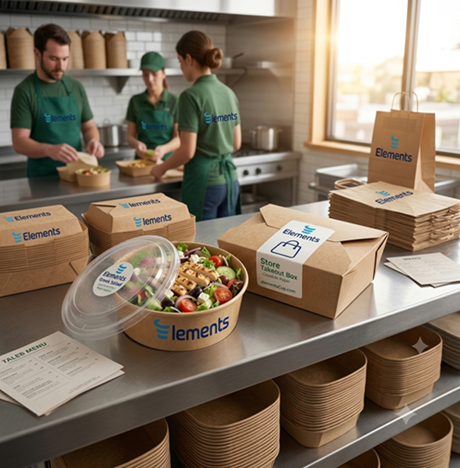
    In today's food service industry, delivery and takeaway are no longer just optional conveniences—they are core components of business success. However, as takeout order volumes rise, so does consumer awareness of packaging waste. Traditional single-use plastics and polystyrene (Styrofoam) containers are rapidly being phased out worldwide due to environmental concerns and tightening government regulations. For restaurants, cafes, and catering businesses, switching to sustainable paper packaging is no longer just a trend—it is a vital business strategy.   1. The Environmental Imperative: Beyond Single-Use Plastics Traditional plastic containers can take centuries to break down, micro-fragmenting into ecosystems and oceans. In contrast, paper-based food packaging originates from renewable resources, such as FSC-certified forest wood pulp and fast-growing bamboo fibers. When paired with modern, eco-friendly barriers—such as aqueous (water-based) barrier coatings or PLA (Polylactic Acid) plant-based linings - paper containers provide: Industrial & Home Compostability: Breaking down naturally without leaving toxic residues. Reduced Carbon Footprint: Lower greenhouse gas emissions throughout the manufacturing lifecycle compared to petroleum plastics. PFAS-Free Safety: Elimination of harmful fluorinated "forever chemicals" while maintaining oil and water resistance.   2. High Performance Meets Practicality A common misconception in the past was that paper containers couldn't hold up against greasy or hot liquids. Today's manufacturing innovations have changed the game completely: Leak-Proof Soup & Beverage Cups: Double-wall and ripple-wall paper cups provide superior thermal insulation for hot drinks without needing extra sleeves, while engineered paper lids ensure a tight, spill-free seal. Grease & Water Resistance: Natural kraft paper food boxes and split-compartment bento containers are coated with food-grade aqueous barriers, keeping gravies and oils contained without sogginess. Microwave & Oven Safety: Unlike plastic containers that can warp or leach chemicals under high heat, high-spec paper food bowls can safely handle reheating.   3. Elevating Brand Identity Through Customization Packaging is often the very first physical touchpoint a customer has with your takeaway food. Plain, unbranded plastic containers communicate commodity; custom-printed, natural-textured paper packaging communicates quality, care, and sustainability. Customizing paper packaging allows food service brands to:   Showcase Eco-Commitment: Highlight your use of biodegradable materials directly on the container. Enhance Presentation: Clear window lunch boxes and clean, modern contours highlight the colors and freshness of your dishes. Build Brand Recognition: Vibrant, food-safe custom logos and custom color schemes make your food memorable and shareable on social media.   4. Choosing the Right Paper Packaging for Your Menu Different dishes require tailored packaging solutions to maintain heat, texture, and visual appeal: Food Category Recommended Paper Solution Key Benefit Hot Beverages & Soups Double-Wall Paper Cups & Paper Soup Containers Heat insulation, leak resistance, PFAS-free Salads & Fresh Meal Kits Kraft Window Lunch Boxes & Clear PET Lids High visual appeal, fresh preservation Burgers, Fries & Fried Foods Folding Kraft Cartons / Vented Cardboard Boxes Crispy texture protection, greaseproof lining Asian Cuisine & Bento Meals Multi-Compartment Paper Bento Boxes Prevents cross-flavor   Partner with Elements Packaging for Your Eco-Friendly Journey At Elements Packaging, we manufacture a complete suite of eco-friendly disposable packaging solutions—including FSC-certified paper cups, aqueous barrier coffee cups, kraft food boxes, paper soup bowls, and compostable cutlery. Engineered for durability and designed for the planet, our custom OEM/ODM packaging helps food service businesses worldwide transition seamlessly toward sustainability. Ready to upgrade your takeaway packaging? Contact our design team today to request custom samples and learn more about our wholesale solutions.
  • Small Choices, Big Impact: How Eco-Friendly Takeaway Packaging Drives Consumer Loyalty Small Choices, Big Impact: How Eco-Friendly Takeaway Packaging Drives Consumer Loyalty Jul 18, 2026
    In today's food economy, the dining experience doesn't end when a meal is packed away for delivery. Modern consumers are highly eco-conscious. When a takeaway order arrives encased in layers of non-recyclable polystyrene foam or heavy single-use plastics, it leaves a lingering sense of environmental guilt. As a premier paper food packaging manufacturer, Elements Packaging has watched this behavioral shift closely. Today, choosing sustainable packaging is no longer just a regulatory box to check—it is one of the most effective tools for building lasting customer loyalty. The Psychology of Sustainable Packaging When a customer unboxes a meal from a beautifully crafted, biodegradable paper lunch box or a natural Kraft paper noodle bowl, their perception of the restaurant instantly elevates. The organic texture and clean aesthetic of high-quality paper food packaging communicate a brand values story: We care about the ingredients we put into our food, and we care about the planet we leave behind. Many consumers are actively seeking out establishments that align with their green environmental practices. In fact, offering compostable or easily recyclable paper boxes and paper bags gives businesses a competitive edge that keeps customers clicking "order again." Seamless Functionality Meets Circular Economy A common worry for fast-casual businesses is whether eco-friendly alternatives can handle the rigorous demands of delivery drivers and delivery apps. Our specialized lines of microwaveable paper containers and oil-proof food paper trays prove that sustainability can be incredibly tough. They are explicitly designed to withstand high stacking loads, maintain temperature, and resist leaks. By switching to renewable pulp materials that naturally degrade or seamlessly re-enter the recycling loop, your food business actively reduces greenhouse gas emissions and diverts waste from landfills. Together, let us push the boundaries of the food industry toward a greener, more sustainable future.
  • The New Year continues to provide you with paper food packaging solutions The New Year continues to provide you with paper food packaging solutions Jan 03, 2025
    The New Year has begun and we look back at the three extraordinary expos we attended in October and November of last year and it has been a very fruitful journey. We participated in the prestigious Canton Fair in Guangzhou, the splendid ALL4PACK exhibition in Paris, and the captivating SAUDI HORECA event in the enchanting Saudi Arabia. We firmly believe in the values of sustainability and green environmental practices, recognizing our integral role in cultivating a harmonious coexistence with our planet.   Our dedication to creating a more beautiful earth through eco-friendly food packaging solutions has been the driving force behind our success. These forthcoming exhibitions will serve as a platform for us to unveil even more superior food packaging solutions, tailored specifically to meet your needs. In a world brimming with possibilities, we strive to be your unwavering partner in progress, constantly pushing boundaries and evolving to exceed your expectations.   Together, let us embark on this fascinating journey towards a future where innovation and sustainability reign supreme, encapsulating the essence of our shared aspirations.
  • What can paper cups be used for? What can paper cups be used for? Mar 06, 2024
    Disposable paper cups as an essential item in our life, what can it be used for? 1. drinks: disposable paper cups are usually used to load drinks. Both can be filled with hot drinks, such as coffee, tea, hot chocolate, etc., can also be filled with cold drinks, such as juice, soda, iced coffee, ice cream, iced tea, etc.. 2. Liquid Foods: disposable paper cups can be used to load porridge, yogurt, milkshake, sauce and so on. 3. Solid Foods: fruit, salad, cookies, snacks All in all, paper cups are very flexible. You can use them to hold any drink or food you like.
  • Bring some freshness to life with different shaped salad bowls Bring some freshness to life with different shaped salad bowls Mar 06, 2024
    For practicality and stability reasons, disposable paper bowls on the market are commonly designed in round shapes. However, in order to meet the needs of some specific occasions, we also provide square paper bowls and rectangular paper bowls. Consumers are free to choose the shape of the paper bowls they want to use according to the actual situation. The following are the advantages of square paper bowls: 1. Convenient for stacking and storage: square paper bowls are tighter and more stable when stacked, taking up less space and more convenient for storage and transportation. 2. Large capacity: the design of square bowl can make it hold more food, and can put some longer food, such as sausage, fried fish, etc. 3. Multi-purpose: In addition to serving salads, lunch lunches, etc., it can also be used to serve special shaped cakes, donuts, cookies and other desserts. If you want to bring some freshness to your life and have more choices when holding food, welcome to purchase our paper bowls in different shapes.
  • Disposable paper cups are a necessary part of company pantries and break rooms Disposable paper cups are a necessary part of company pantries and break rooms Mar 06, 2024
    Employees need to stay hydrated and mentally alert during office hours, so disposable cups are often used in the pantry to hold drinks. Disposable paper cups have the following advantages: 1. Hygiene and safety. The use of disposable cups in the pantry eliminates the need to worry about cross-contamination or bacterial growth, which is conducive to protecting the health of employees and preventing the spread of disease. 2. Environmental protection and energy saving. Disposable paper cups not only degrade easily in the natural environment, but can also be recycled after use. This effectively reduces the consumption of natural resources. 3. Lightweight and easy to carry. Compared with glass cups, paper cups are lightweight and unbreakable, which prevents employees from being hurt when the cups fall accidentally. At the same time, paper cups do not need to be cleaned, which greatly saves time and human resources. 4. Diversified design. Disposable paper cups can be printed with company logos and values, which increases the opportunity to display brand image and corporate culture. In summary, the use of disposable paper cups in the pantry and lounge takes into account hygiene, environmental protection, convenience and publicity, which is conducive to creating a good working environment and enhancing the sense of well-being of employees at work.
  • What are disposable coffee paper cups? What are disposable coffee paper cups? Dec 11, 2023
    Disposable coffee paper cups are paper cups used to serve hot or cold beverages, and are typically used in coffee shops, drinking establishments, caterers, or other take-out places. They usually have one or more layers of paper construction, with a coating on the inside of the cup that increases the heat and water resistance of the cup. Disposable coffee paper cups can be categorized into single wall cups, double wall cups, ripple wall cups and embossed wall cups according to different designs. Among them, double wall cups and ripple wall cups have better heat insulation and heat preservation effect. Because our disposable coffee paper cups are made of eco-friendly pulp and eco-friendly coating, they can be recycled and degraded after use, greatly reducing the impact on the environment.
1 2 3 4 5

A total of5pages

leave a message

leave a message
If you are interested in our products and want to know more details,please leave a message here,we will reply you as soon as we can.
Submit

Home

Products

whatsApp

contact